Flooring for Home Gyms at High Altitude: Subfloor Deflection and Impact Ratings
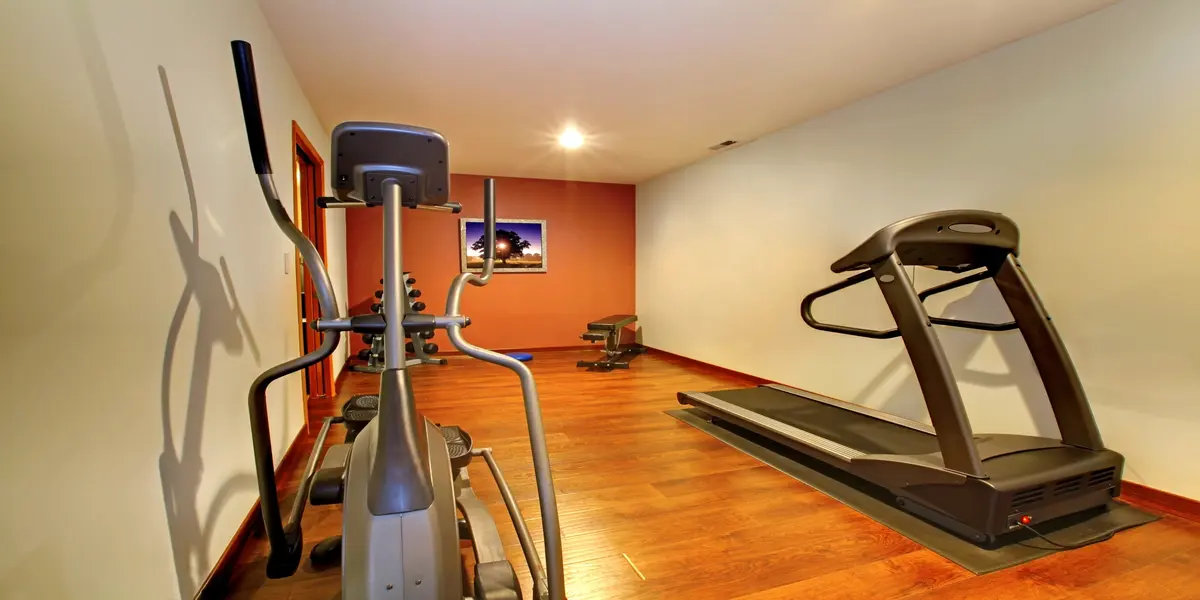
Designing home gym flooring at high altitudes requires careful consideration of both material
properties and structural support. The subfloor provides the foundation for interlocking tiles,
artificial turf, rubber gym flooring, foam flooring, and other types of flooring tiles. At elevation,
reduced air pressure and unique environmental conditions can cause standard construction to
flex more than desired, making reinforced joists and blocking systems essential. Properly
engineered subfloors prevent bouncing under heavy loads from activities like aerobics,
basketball, and weightlifting, protecting both the floor structure and your equipment.
Material selection plays a critical role in shock absorption and stability. Rubber rolls, vinyl
flooring, and foam flooring offer varying levels of impact cushioning, while maple sports
flooring provides a classic, firm surface ideal for basketball courts. Shore A hardness ratings
help determine the optimal firmness for rubber gym flooring, balancing shock absorption with
stability. Carpet tiles and artificial turf provide versatile options for areas needing softer
landings or multi-purpose use.
Installation quality directly affects long-term performance. Flooring manufacturers recommend
precise seam placement, adhesive selection, and subfloor preparation tailored for high-altitude
conditions, including wide temperature swings and variable moisture levels. Interlocking tiles
and modular flooring systems simplify installation while maintaining structural integrity. Sports
flooring materials are tested to ensure consistent support, durability, and energy return,
making your home gym safe and resilient even in challenging altitude environments.
With proper planning, reinforcement, and the right flooring selection, high-altitude home gyms
can achieve optimal performance, cushioning, and safety for all types of exercises while
preserving the underlying structure for years of use.
Understanding Subfloor Deflection in Elevated
Environments
Installing gym flooring above the ground floor requires careful consideration of subfloor
deflection, material performance, and safety for high-impact exercises like deadlifts, volleyball,
or weightlifting. Foam tiles, vinyl planks, luxury vinyl, hardwood flooring, virgin rubber, and
synthetic flooring all behave differently under stress, so selecting the right product and
ensuring professional installation is critical. The subfloor must manage moving loads from
exercise equipment and dropped weights while maintaining structural integrity and minimizing
bending or sagging.
Surface friction and impact absorption are crucial for athlete safety and performance. Foam
tiles and rubber flooring provide cushioning to reduce joint strain during high-intensity
workouts, while vinyl planks and luxury vinyl maintain a smooth, durable surface suitable for
aerobics or multipurpose gym spaces. Floating floor systems add resilience and vibration
damping, but they must be properly anchored and installed to prevent movement under heavy
loads.
Hardwood flooring and high-quality synthetic flooring excel in energy return, making them ideal
for sports like volleyball, where quick lateral movements occur. Impact absorption is enhanced
when flooring layers are paired with subfloor reinforcements and engineered joists, ensuring
the surface does not compromise performance or cause premature wear.
Professional installation guarantees that expansion gaps, leveling, and adhesive selection align
with the flooring type and load expectations. By combining proper subfloor support, material
choice, and installation techniques, gyms can achieve safe, long-lasting flooring capable of
handling everything from deadlifts to intense volleyball sessions while maintaining optimal
surface friction and comfort.
Impact Ratings and Shock Absorption Requirements for
Gym Use
Designing a home gym or training space requires careful attention to flooring performance,
especially when exercises involve kettleballs, heavy lifting, or dynamic movements. The
subfloor system plays a critical role in managing vertical deflection and distributing impact
forces to protect both the building structure and the athlete. High-quality turf rolls, rubber, and
foam layers help absorb shock while providing consistent ball response for functional training
and agility drills.
Sound absorption is another important factor, particularly in multi-story homes or shared
facilities. Flooring that effectively reduces noise prevents disturbance from dropped weights or
high-intensity workouts while maintaining a stable surface for exercises. The flooring’s
resilience ensures equipment like barbells, dumbbells, and kettlebells do not rebound
unpredictably, keeping training safe and efficient.
Sustainability and indoor air quality are increasingly prioritized in modern gym installations.
Materials that are low-emitting, recyclable, or manufactured with eco-conscious methods
protect both athletes and the environment. Proper ventilation combined with flooring that
resists dust and off-gassing contributes to a healthier training environment.
The overall design of the gym floor—combining surface layers, underlayment, and structural
support—affects energy return, impact absorption, and long-term durability. Floors engineered
for controlled vertical deflection provide consistent performance, allowing athletes to lift heavy
weights safely while maintaining optimal training conditions. Thoughtful material selection and
subfloor engineering ensure that both high-impact exercises and ball-based activities perform
as intended without compromising the integrity of the space.
Material Choices That Hold Up to Altitude and Heavy
Loads
Selecting the right rubber type is crucial for high-altitude gym flooring because shock
absorption changes with air pressure and load intensity. At elevations above 5,000 feet, thinner
air alters how materials compress under weight, making hardness ratings between 60-80 Shore
A ideal for maintaining shape under concentrated pressure exceeding 500 pounds per square
inch. Heat-treated rubber and recycled tire compounds outperform many foam products,
resisting permanent flattening even under repeated barbell drops and dynamic training
movements.
Weight capacity considerations must account for both steady distributed loads and sudden
impacts from exercises like deadlifts, kettlebell swings, and Olympic lifts. ASTM F3191
standards provide testing methods to evaluate how materials rebound after repeated impacts,
ensuring the flooring continues to protect both athletes and subfloor systems. Chemically
bonded polyethylene and specialized rubber blends extend the longevity of tiles and rolls in
elevated fitness facilities, retaining cushioning and structural integrity despite fluctuating
atmospheric conditions.
Material density directly affects compression resistance, as denser rubber spreads weight more
efficiently across the foundation. Commercial gym tiles often incorporate 80-95% recycled
rubber while maintaining optimal Shore A hardness, balancing sustainability with performance.
Vulcanization and cross-linked polymer networks enhance molecular stability, preventing
breakdown under continuous static and dynamic loads. These properties make high-quality
rubber flooring reliable for both personal and commercial gyms in high-altitude environments,
combining impact protection, durability, and consistent athletic performance.
Installation Techniques for Stable, High-Performance
Gym Floors
The integrity of a subfloor is critical for gym flooring systems to perform as intended over time.
Proper preparation ensures that weight is distributed evenly, protecting both the floor surface
and the underlying structural supports. Professional installers begin by verifying that the
foundation meets ICC-ES AC373 deflection limits, guaranteeing the subfloor will resist bending
or sagging under heavy equipment and repeated high-impact activities. Flatness standards, as
measured under ASTM F2170, prevent localized pressure points that could compromise impact
absorption, especially in areas designated for Olympic lifts, kettlebell exercises, or other
dynamic training movements.
Moisture management is essential for long-term durability. Levels must remain below 3% when
tested according to ASTM F2659 before adhesives are applied, particularly for rubber tiles,
foam surfaces, or hardwood flooring. Expansion gaps are carefully calculated to accommodate
material movement caused by altitude, temperature changes, and humidity variations.
Fasteners and anchoring systems follow manufacturer specifications to ensure weight transfer
across the subfloor is consistent, while deflectometer checks confirm stiffness in zones
subjected to heavy lifting or repeated impact. Seam placement is also strategic, keeping
vulnerable joints away from high-traffic or high-stress areas to prevent delamination or uneven
wear.
A thoroughly assessed and structurally verified subfloor supports the flooring system’s shock
absorption, maintains dimensional stability under thermal cycles, and resists moisture
intrusion. Concrete slabs must be fully cured, and environmental factors such as humidity and
temperature swings are accounted for to prevent wood expansion, synthetic surface
contraction, or adhesive failure. Laser leveling tools detect irregularities beyond tolerance
thresholds, and substrate-specific anchoring methods—whether for concrete or
plywood—ensure that each layer of the gym flooring system performs safely and efficiently.
This foundational work protects both athletes and equipment, guaranteeing long-term
performance and safety for home and commercial training spaces.