Entryway & Mudroom Surfaces for Snow, Salt, and Grit
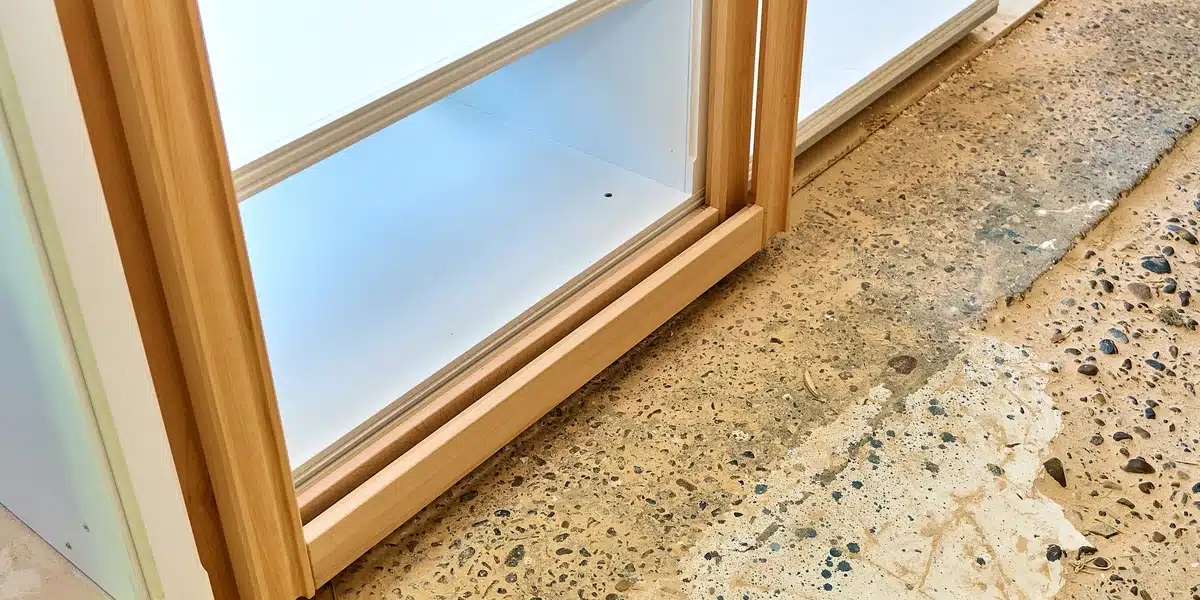
Porcelain tile and sealed natural stone are ideal for winter entryways due to their durability and moisture resistance. These materials provide safety and style while handling harsh winter conditions effectively.
- Porcelain tile and sealed natural stone do not absorb moisture, preventing warping and damage from snow and grit. Their textured surfaces enhance traction for safer movement in wet conditions.
- Luxury vinyl planks offer flexibility and stability during temperature changes, while sealed concrete provides industrial appeal and durability.
- Proper installation and maintenance, including sealing thresholds and using entry mat systems, are crucial for protecting flooring from winter wear and tear.
The best surfaces for winter entryways and mudrooms include porcelain tile and sealed natural stone, as they are durable, stable, and moisture-resistant. These materials prevent warping and damage from snow and slush, while their textured finishes provide traction, ensuring safety in wet conditions.
Porcelain tile and sealed natural stone continue to be the top-performing choices for winter entryways because their term of durability, stability, and texture make them exceptionally reliable in harsh conditions. These flooring materials do not absorb moisture, which protects them from warping and surface damage when homeowners deal with lots of snow, slush, and road grit. Their textured finishes help maintain traction in wet environments, supporting safer movement for kids, guests, and daily traffic while complementing a wide range of interior styles and cabinetry finishes. Dense quartzite and sealed concrete also offer strong resistance to de-icing chemicals, preserving both the surface tone and long-term performance of the flooring.
Luxury vinyl planks add another layer of flexibility, giving homeowners flooring options that remain stable through sudden temperature swings between cold outdoor air and heated indoor spaces. Laminate has improved significantly in recent years, but luxury vinyl still outperforms it in moisture-prone areas where winter runoff creates potential risks. Sunken grate systems installed at entry points help capture melt-off before it spreads through the home, reducing ongoing wear and extending the lifespan of the floor. When paired with waterproof expansion joints, the flooring can expand and contract naturally through freeze-thaw cycles without forming cracks, making the entire entryway structure stronger and more reliable.
Proper installation plays a major role in winter-ready performance. Thresholds must be sealed correctly to stop water intrusion, and yearly sealer applications on stone flooring preserve chemical resistance and surface clarity. These protective measures guard against salt staining, abrasion from sand and grit, and the constant pressure of high-traffic winter movement. Homeowners looking for flooring that balances budget, durability, and a strong design statement can rely on a team of experienced installers to select materials that match both visual preferences and performance needs. With the right flooring system in place, your entryway becomes a resilient, long-lasting transition space that handles the realities of winter without compromising style.
Flooring Materials That Stand Up to Winter Wear
Entryways function as high-traffic zones where outdoor conditions meet indoor comfort, so choosing practical flooring that can withstand winter beating becomes essential. Homeowners look for materials that combine durability with elegance, support long-term decor goals, and come in a wide range of styles that match both rustic and modern homes. When writing a blog or guiding homeowners through key factors in a clean, helpful format, the focus should be on performance, appearance, and ease of cleaning—especially during harsh winter months.
Porcelain tile remains the top choice for cold-weather entryways because it resists moisture, impact, and chemicals while offering large-format tiles that reduce grout lines and create a clean, spacious look. Natural stone options like slate floor tiles, granite, and limestone bring long-term durability and textured surfaces that prevent slipping, adding both function and style. Slate floor tiles, in particular, suit a functional mudroom because their natural cleft texture improves traction when snow melts off boots. Luxury vinyl planks mimic real hardwood without being vulnerable to water damage, making them an ideal choice for homeowners who want warmth and style without maintenance concerns. Sealed concrete provides an industrial edge and works well with radiant heating while offering flexibility in color and finish.
Entryway flooring must address several essential needs to perform reliably throughout winter:
- Temperature swings between freezing outdoor air and warm indoor heating
• Chemicals from rock salt, calcium chloride, and magnesium chloride
• Abrasion caused by boot treads, strollers, wheelchairs, and pet claws
• Standing water that collects and refreezes during colder days
• The need for matte finish options that hide streaks and moisture spots
• Compatibility with a non-slip mat to improve safety in wet conditions
By selecting materials designed for performance and curb appeal, homeowners can create an entryway that supports daily life, enhances decor, and stands up to winter weather without sacrificing elegance.
Traction and Slip-Resistance for Wet Entry Points
Entry spaces take the full impact of winter moisture, dirt, and grit, which means every material must respond well to stains, scratch marks, and repeated exposure to melting snow. High-traction floor textures reduce slipping, but the surrounding design matters just as much. When flooring works together with wall colors, storage, and ventilation, the entire entryway performs better over time and stays easier to maintain.
Homeowners can strengthen winter safety and durability by focusing on:
- Slip-resistant materials such as textured porcelain, rough-cut stone, and brushed concrete that maintain grip on wet surfaces over time
• Built-in cubbies that keep boots, gloves, and backpacks off the ground, reducing puddles and protecting floors from stains
• Walnut cabinets and beadboard wall treatments that handle moisture well while adding warmth and architectural detail
• A vent fan sized to manage humidity from wet boots and snowmelt, preventing fogged windows, mildew, and warping in nearby woodwork
• Sunken mat zones and metal traction strips that channel water away from main walk paths
• Coordination of flooring with wall colors to maintain design flow while visually disguising winter debris
• Extra-durable finishes that resist scratch damage from pet claws, ski equipment, and heavy winter footwear
These layered choices create an entryway that looks refined while standing up to winter’s harsh daily demands. When paired with proper drainage slopes, ventilation, and slip-resistant materials, your entry becomes safer, easier to clean, and better protected through extreme seasonal changes.

 Posted on Google
Protecting Surfaces from Salt, Ice Melt, and Abrasive Grit
Winter chemicals create long-term damage in entryways, and the right flooring options determine how well a home or business resists that wear. Rock salt breaks down porous surfaces by seeping into tiny openings and expanding as temperatures rise and fall. These freeze-thaw cycles weaken the material, especially in mudrooms and enclosed spaces where moisture lingers longer. Dense ceramic tile and sealed quartzite hold up better because their internal structure resists chemical penetration, cutting down on surface chipping and premature deterioration. Grit from boots accelerates this process by grinding away finishes, exposing layers that were never meant to contact harsh de-icing compounds.
Homeowners comparing vinyl, laminate, and ceramic tile often focus on appearance, but cabinetry layout, installation quality, and budget play just as important a role in long-term performance. Vinyl offers good resistance to moisture and salt but needs proper edge sealing to prevent seepage. Laminate can handle moderate winter traffic if installed with a waterproof underlayment, but it struggles in areas with constant puddles. Ceramic tile remains the strongest choice for high-impact chemical protection, especially when paired with penetrating sealers that push moisture and salt away from the surface. These sealers sink deeply into the material and create a barrier without changing its appearance.
Entry mat systems with recessed grates capture salt and grit before they spread across the flooring, reducing the maintenance burden throughout the season. Concrete densifiers add further defense by hardening the surface and helping it resist chemical scoring and abrasion. A yearly maintenance routine using pH-neutral cleaning products keeps everything performing well, extending the life of both the flooring and nearby materials. Proper planning, combined with well-chosen products and thoughtful installation, protects mudrooms and entry spaces from the harsh effects of winter.
Designing Durable Transitions from Outdoors to Indoors
Entry zones serve as the transition between outdoor weather and indoor living spaces, and the materials chosen for these areas must withstand temperature fluctuations, moisture, and high foot traffic while maintaining aesthetic appeal. Thresholds play a critical role in protecting flooring and surfaces from damage caused by snow, ice, and grit brought in on shoes.
Sunken grate systems capture dirt and debris, allowing water to drain away and preventing moisture from spreading to adjacent rooms. Middle-ground stone or ceramic thresholds with textured, non-slip finishes create a smooth visual and functional connection between rough exterior pavers and polished indoor flooring. Waterproof expansion joints accommodate the natural movement of materials during freeze-thaw cycles, preventing cracking and separating at seams. Matching materials with similar expansion and contraction rates ensures layers remain intact over time.
Selecting thresholds with high wear resistance and applying deep-penetrating sealers to natural stone surfaces extends longevity by protecting against salt damage from de-icing chemicals while allowing trapped moisture to escape. Architects and designers consider key elements such as threshold assemblies, entry vestibules, and floor transitions when planning these spaces. Material properties like thermal expansion coefficients, abrasion resistance, moisture permeability, and substrate compatibility determine performance under environmental stressors, including freeze-thaw cycles, salt exposure, and mechanical wear patterns. Well-chosen thresholds safeguard flooring, maintain durability, and preserve the visual appeal of entry zones in homes and businesses.