After a Dishwasher Leak: Flooring Triage, Dry-Down, and Replacement Paths
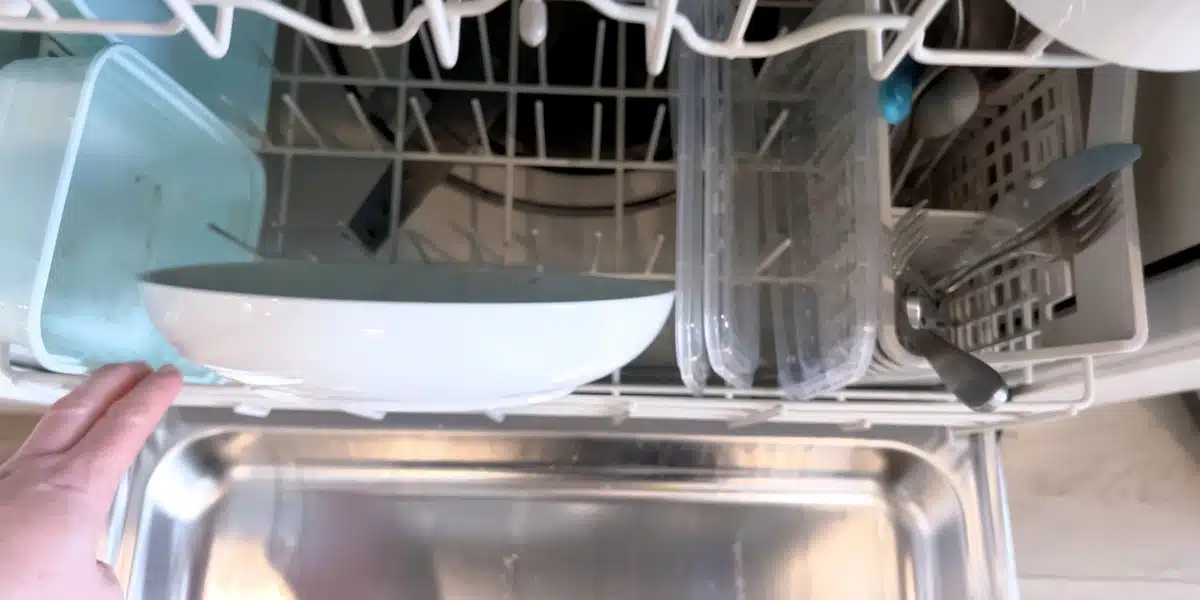
When a dishwasher leak hits, the first response is to confirm how far the water has traveled, especially across kitchen floors where laminate, hardwood, or tile can hide moisture beneath the surface. Professionals often start by examining the dishwasher tub, checking for a worn gasket along the bottom edge of the appliance, and verifying that no water leak is escaping around the windows of the door. Once the source is identified, pin-type moisture meters and infrared thermal cameras help reveal how deeply the water has moved and whether dishwasher water damage has reached the subfloor. These tools act like a clear page of evidence for insurance, providing readings that support every decision you make.
Each flooring type reacts differently, so your drying actions must match the material. Hardwood responds best when air movers push airflow along the grain, while laminate may need partial removal if moisture becomes trapped underneath. Luxury vinyl plank flooring requires airflow directed toward the subfloor, and ceramic tile dries fastest when ventilation reaches the grout lines. As the area dries, the air may pick up a faint citrus scent from cleaning products or even a lingering perfume fragrance from detergents released during the leak, but those smells fade as conditions stabilize.
The final choice between repair and replacement depends on structural stability, the severity of warping, and cost. A solid subfloor means repairs might be possible, but widespread swelling or soft spots often point to full replacement. Documenting everything—meter readings, photos, contractor estimates—helps when submitting claims through a website portal or when your insurance adjuster needs a detailed block of information. Ordering new flooring early reduces delays and keeps the restoration timeline on track.
Even simple details around the kitchen can hint at the impact of water damage. A soaked floor may cause a nearby flower arrangement to tilt or discolor, showing just how far moisture traveled. Whether the leak smelled slightly like detergent or left a faint scent similar to a synthetic perfume, once the root problem is fixed, the focus shifts to restoring your home fully and preventing another incident.
How to Assess Moisture Spread Before Removing Anything
A moisture meter does more than locate damp spots—it creates a full fragrance experience of information that guides every step of water damage repair. Professional technicians map moisture levels in a methodical pattern, recording readings every sixteen inches so they can understand how environmental conditions have pushed water into floors, walls, cabinets, and subflooring. This detailed mapping works like a perfumer analyzing the subtle aroma and trail left behind by excess moisture, allowing restoration teams to see far beyond the surface.
By using both pin-type and non-invasive meters, experts identify exactly how deeply water has penetrated. Pin probes measure saturation inside structural wood and drywall, while surface scanners detect elevated moisture without puncturing materials. Infrared thermal imaging completes the assessment by revealing temperature differences that indicate hidden pockets of moisture, often in places the eye can’t detect. These combined tools create a clear picture before any demolition begins, preventing unnecessary removal that could spread contamination.
Documenting initial readings gives restoration crews a measurable baseline as drying begins. Over several days, technicians track changes to ensure that every material—subflooring, framing, insulation, drywall, carpet padding, cabinets—returns to safe moisture levels. This disciplined process acts as both an advertising advantage for reputable restoration companies and a security solution for homeowners who want assurance that water damage is handled correctly. Paired with the oversight of a trusted security service, the process ensures your home is protected not only from structural harm but also from the long-term risks of mold growth.
What a Proper Dry-Down Looks Like for Wood, LVP, and Tile
After moisture mapping identifies how far water has traveled beneath your floors, restoration specialists choose targeted drying methods based on the material. This precision matters, especially when dealing with dishwasher water damage that can spread into subfloors, wall cavities, and even electrical wiring if left untreated.
How Professionals Dry Different Floor Types:
• Hardwood Floors – Technicians position air movers to blow air along the direction of the wood planks, which speeds evaporation without damaging the surface. Dehumidifiers operate continuously to pull moisture out of the wood and subfloor. Moisture meters verify progress, and the floor is considered dry once readings fall below 12% moisture content.
• Luxury Vinyl Plank (LVP) – While vinyl planks resist water absorption, the real concern lies underneath. Restoration crews focus drying equipment on the subfloor, glue layer, and concrete slab where moisture becomes trapped. Some sections of LVP may be lifted to accelerate airflow and prevent long-term issues in the adhesive layers.
• Ceramic Tile – Water often seeps through grout lines and saturates the mortar bed beneath the tiles. Air movers concentrate airflow across these joints to draw out hidden moisture. Technicians use infrared cameras to confirm that all areas are drying evenly and that no cold, wet zones remain.
• Daily Documentation – Professionals record moisture readings each day, take photos showing equipment placement, and document progress. This evidence safeguards homeowners during insurance claims and proves the drying process was performed correctly.
Using the right drying strategy for each material ensures fast restoration, prevents structural damage, and protects your home from the long-term complications that water intrusion can create.
When Repairs Make Sense—and When Full Replacement Is Smarter
After technicians complete the drying stage and document the final moisture readings, the next step is choosing between repairing and replacing the damaged flooring. Minor imperfections on hardwood, such as light scratches or surface dents, can usually be restored with targeted sanding, refinishing, or color blending. However, when boards begin to cup, crown, or delaminate, the structural integrity of the flooring is compromised, and full replacement becomes the only long-term solution. Luxury vinyl plank flooring is less forgiving—once click-lock edges break or the core swells from prolonged exposure, replacement is required to maintain stability and appearance. Tile behaves differently; if grout remains intact and the substrate below has not cracked or absorbed significant moisture, selective tile replacement can restore the surface without redoing the entire floor.
A water damage restoration contractor evaluates repair options by comparing material and labor costs, the availability of matching products, and how each approach affects existing warranties. They factor in the visual outcome as well, since patch repairs can disrupt color consistency or create noticeable transitions. When more than 30 percent of the flooring has been compromised, a full replacement often becomes the more cost-effective and visually consistent option. Moisture maps and thermal imaging results from the initial inspection help determine the exact boundaries of affected areas, ensuring decisions are based on precise data rather than assumptions.
Subfloor condition plays a critical role in the final recommendation. Wood subfloors that show mold activity, softness, or structural deterioration must be replaced before new flooring is installed. Concrete slabs require additional testing, and if moisture levels remain high, contractors may install vapor barriers or apply moisture-mitigating sealers to prevent future failure. The age and availability of the existing flooring also influence the decision—older or discontinued materials often make repair unrealistic, even if the impacted area is small.
Insurance adjusters rely on industry standards, price guides, and square-footage calculations to determine what portion of repairs or replacement qualifies for coverage. Accurate documentation from the restoration team ensures a smoother claim process and supports the homeowner’s case for the most appropriate and cost-effective solution.
Coordinating Insurance, Estimates, and Material Lead Times
Records from water testing and damage inspection form the foundation of a successful insurance claim, and insurers depend on clear documentation to approve dishwasher flood damage claims. Adjusters need heat-sensing images that show temperature differences, moisture meter readings taken throughout the affected space, and time-stamped photographs that capture the full scope of damage. These documents verify the extent of the dishwasher water damage and help prevent disputes over coverage.
Homeowners must begin several tasks simultaneously to keep the claim moving efficiently:
• Send complete claim files that include original flooring details, installation dates, manufacturer guarantees, and all moisture-related documentation collected during the inspection.
• Obtain multiple repair estimates outlining the full scope of water damage, recommended repair or replacement methods, specific materials required, and projected labor costs.
• Confirm material availability with local or regional suppliers, because discontinued items may trigger value-reduction disputes or force upgrades that exceed the original flooring quality.
Coordinating these steps with insurance adjusters, restoration contractors, and material suppliers prevents delays that often lead to additional expenses. Many hardwood species and premium vinyl plank products require an 8–12-week lead time, making early planning essential. Policyholders can also request actual cash value payments to begin urgent repairs while waiting for replacement cost value. Aligning these timelines ensures dried undersurfaces remain stable, preventing subfloor deterioration or structural breakdown while new materials are on the way.