Pet-First Flooring: Scratch Classes, Texture, and Finish Sheen That Hides Marks
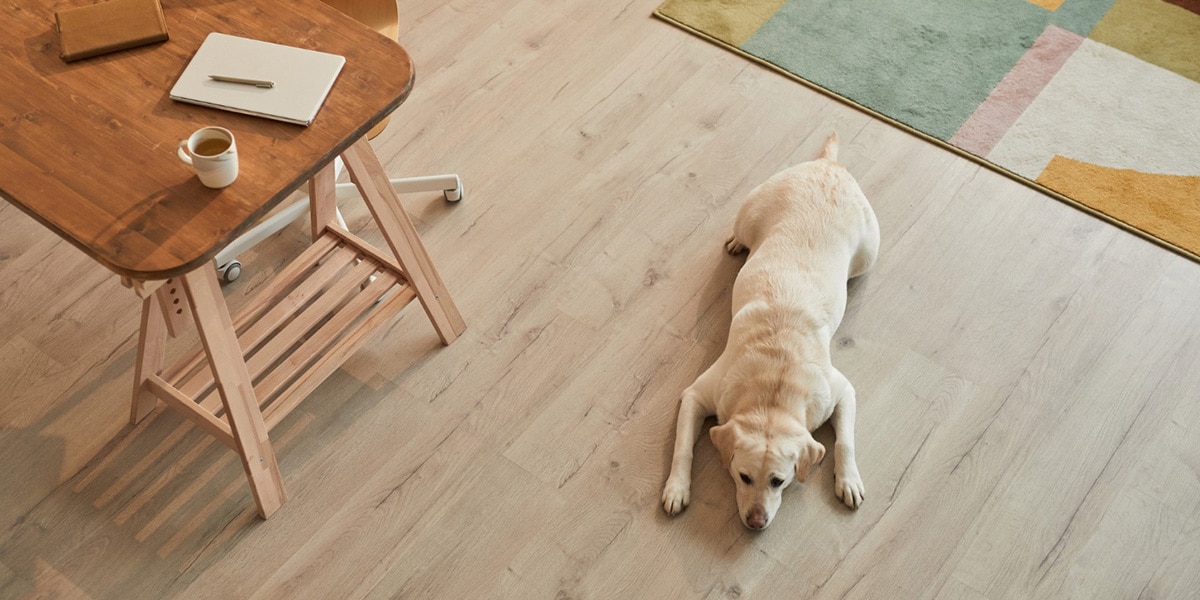
Choosing the right flooring for homes with pets involves understanding their unique interactions with surfaces. Selecting materials with high abrasion ratings and appropriate textures can help minimize visible damage from energetic play and daily activities.
- Floors should have an AC4 or AC5 abrasion rating to withstand heavy pet traffic and claw pressure. Manufacturers often reinforce these materials with durable coatings for added protection.
- Texture plays a significant role in hiding scratches; wire-brushed and distressed surfaces blend marks, while matte finishes scatter light to reduce visibility of damage.
- Regular maintenance, such as using pH-balanced cleaners and recoating every 12–18 months, helps preserve flooring and extend its lifespan in pet-friendly homes.
Pet-first flooring is designed to withstand the wear and tear caused by pets, featuring materials with high abrasion ratings like AC4 or AC5. These floors are reinforced with durable coatings, such as aluminum oxide, to resist scratches and damage from active pets, ensuring longevity and functionality in busy households.
Flooring that can handle the daily life of furry friends must do more than resist scratches—it must support the constant movement, bursts of energy, and everyday activity that happen in a busy house. Pets interact with floors in ways humans don’t. A pooch chasing toys across a room, running laps during playtime, or sliding into walls during high-energy moments all place stress on flooring surfaces. This is why choosing materials with an AC4 or AC5 abrasion rating becomes essential. These ratings show how well floors tolerate heavy foot traffic, claw pressure, and repeated friction. Manufacturers reinforce these materials with aluminum oxide coatings thicker than 8 mils, creating a strong barrier that protects against the kind of concentrated claw impact that no standard lab test can fully replicate.
Texture plays a major role in how flooring performs visually over time. Wire-brushed and distressed surfaces naturally disguise imperfections because their uneven patterns allow new marks to blend in. In contrast, the sheen level affects how the eye perceives damage. Matte finishes scatter light, helping scratches disappear from view, while glossy floors reflect it sharply, making every mark stand out. When a large dog runs across the room or skids after excitement, matte floors offer far better long-term appearance.
Ceramic bead technology strengthens wear layers even further. These microscopic beads distribute claw pressure across larger areas, protecting the coating from penetrating impacts. This reinforcement becomes especially valuable in homes where pets enjoy active play, daily exercise, and plenty of attention.
Proper maintenance helps floors last longer and remain visually appealing. Using pH-balanced cleaners prevents chemical wear on protective layers, preserving the material beneath. Regular recoating every 12–18 months restores surface strength before deeper damage forms, making upkeep far cheaper than full replacement.
Pet behavior also influences floor longevity. Good training, structured practice, and positive reinforcement teach pets to manage their territory responsibly. When animals receive attention, guidance, and opportunities for exercise, they develop habits that reduce indoor wear and tear. Balanced activity keeps their energy in check and minimizes the frantic movements that often lead to scratches.
Strong flooring, smart maintenance, and thoughtful pet care together create a space where both homeowners and their animals can live comfortably. The right surface supports an active lifestyle, protects your investment, and keeps your home functioning smoothly for every member of the household—two-legged and four-legged alike.
Understanding Scratch-Resistance Ratings and Real-World Pet Wear
Flooring choices for homes with pets require more than standard durability ratings because real-world pet behaviour reveals issues long before a floor’s official rating does. Many homeowners first notice signs of damage not from normal activity but from carpet scratching, sudden bursts of energy, or moments when animals react to discomfort or environmental triggers. A dog’s quick turn, a cat’s attempt to dig at a textured surface, or sudden stress caused by unfamiliar noises can leave visible wear. These actions create pressure points far more intense than human foot traffic, especially when claws press into the surface with thousands of pounds per square inch.
When pets repeatedly scratch at the flooring or carpet, the habit often has a root cause. Scratching can be an outlet for excess energy, a way to mark territory, or a response to discomfort. Sometimes, allergies, skin irritation, or even hidden rodents inside walls or under the house can push an animal to scratch more aggressively. Understanding the reason behind this behaviour helps prevent further injury to both your pet and your flooring. Watching for signs like restlessness, repeated visits to the same spot, or reluctance to lie on their bed can reveal deeper issues. A vet can check for health-related triggers such as injuries, sensitivities, or environmental allergies that contribute to persistent scratching habits.
Pet-proof flooring must offer resilience beyond the basic AC and Mohs ratings. While an AC4 or AC5 classification helps resist foot traffic, it cannot fully protect against concentrated claw pressure without enhanced coatings. Materials like thick aluminum oxide layers or ceramic bead systems spread the impact across wider surface areas, reducing visible damage. Still, even high-performance surfaces can show wear if pets continue to scratch in the same pit-like areas, especially near carpet transitions or along common walking paths.
Choosing flooring becomes easier when you match materials to your pet’s preferences and natural tendencies. Pets with high energy levels may need durable hard surfaces, while those who enjoy stretching or kneading may benefit from designated carpet areas that act as safe outlets. Offering rewards and guided training reduces destructive habits and reinforces positive behaviour around flooring. Professional advice, combined with close observation at home, helps determine whether scratching stems from instinct, stress, boredom, or environmental triggers.
Real pet-life testing always outperforms generic lab tests. Samples exposed to actual claws reveal how a surface responds to turning, running, and sudden bursts of movement. Homeowners who pay attention to behaviour patterns and keep an eye out for early damage prevent long-term flooring problems. With the right combination of durable materials, thoughtful choices, and behavioural understanding, you can create a home where both your flooring and your pooch thrive comfortably.
Why Texture Matters: Wire-Brushed, Distressed, and Matte Surfaces
The texture of a floor influences how well it hides marks from pet nails because light interacts differently with each surface type. Wire-brushed hardwood has natural grooves carved between the harder growth rings, giving pets a surface where claw marks blend into the grain instead of standing out. Distressed flooring adds intentional scrapes, dents, and irregularities, so new marks simply look like part of the design. Matte finishes also prevent damage from becoming obvious because they scatter light instead of reflecting it sharply, lowering the contrast between scratches and the untouched surface.
Smooth, polished floors reveal every mark because the reflective surface highlights differences in depth and direction. Pets with high energy, or those responding to scent glands in specific areas, often leave visible claw trails during excitement or stress. An owner who understands this behavior can treat the environment strategically by offering alternatives such as scratching posts, chew toys, and enrichment activities that satisfy instincts. Catnip can redirect feline energy, while dog training and clear command routines reduce frantic movements that increase floor damage.
Regular surface care also matters. A microfiber mop removes grit that might amplify scratch patterns, while the right sealant adds resistance against repeated wear. Some pets scratch because their nails are too long, their teeth ache from chewing restrictions, or their space lacks proper stimulation. Declawing is never recommended due to the pain and long-term injury it causes; it also fails to address the root behavior. Instead, behavioral redirection paired with durable flooring textures creates a home where pets can express themselves naturally without constant risk of damage.
Selecting the right floor means understanding both material performance and pet behavior. The deeper the texture—measured in mils—the better it conceals everyday marks, giving homeowners a floor that stays attractive even as their furry companions move, play, or explore throughout the day.

 Posted on Google
Choosing the Right Finish Sheen to Minimize Visible Claw Marks
The shine level of your floor finish affects more than appearance—it determines how clearly you’ll see scratch patterns from pet claws and how much work it takes to maintain a clean-looking surface. Shiny coatings act like mirrors, reflecting light in straight lines that highlight every mark, while flat finishes scatter light and naturally hide small imperfections. When you share your home with energetic pals who sprint through the garden, leap over a box in the hallway, or dance around the doorway during separation moments, the right finish becomes even more important. Pets often carry stress or anxiety into the house, expressing it through antics that can add extra wear to your floors, so choosing the right finish protects both beauty and durability.
Here are key considerations that help you match the correct finish to your lifestyle and your pets’ behavior:
- Matte finishes with a 10–25% shine level hide scratches best because they break up reflections. They’re ideal when your pets run rodeo-style laps or when curious animals chase birds near windows, leaving sudden bursts of claw marks as they pivot on the floor.
- Satin finishes with a 26–40% shine level, balance, looks, and practicality. They work well in homes where you want attractive floors but still need scratch forgiveness due to pets brushing against wires, playing near a doorway, or following you from room to room.
- Semi-gloss and gloss finishes with a 41–85% shine level highlight every mark, making them a poor fit for spaces where pets have access. Use them only in low-traffic, pet-free rooms where distance from daily activity keeps the shine intact.
- Professional coatings that include aluminum oxide help resist scratching by embedding micro-hard particles across the surface. These reduce floor damage and scatter light so that any marks blend into the finish rather than standing out.
Think of a glossy floor like a spotless mirror that reveals every detail, while a matte finish acts more like soft frosted glass that hides imperfections from view. Aluminum oxide creates a subtle micro-texture similar to an ultra-fine abrasive, breaking up light reflections so scratches blend seamlessly. This protects your flooring from accelerated wear caused by pet behavior, whether your dog ignores your leave command during obedience training or your cat’s curiosity leads them to explore every corner within access.
By understanding how shine level, texture, and coating composition interact, you can choose a finish that performs well under real-life pet activity and reduces the risk of visible floor damage from energetic companions.
Pet-Friendly Maintenance Routines That Preserve Floor Appearance
Floor coatings stay effective at hiding pet scratches only when they receive consistent, thoughtful care. Dust-mopping removes the dirt and grit that slowly grind into the surface, since even tiny particles behave like sandpaper and wear down the protective layer. Using pH-balanced cleaners preserves the clarity of polyurethane coatings, preventing them from turning dull, streaked, or cloudy.
Moisture control is just as important. Placing rubber mats or plastic trays under water bowls and food dishes keeps puddles from seeping into the wood and stops repetitive wear in feeding areas. When accidents occur, immediate cleanup is essential because the acids in pet urine can break through the finish and cause more serious damage to the wood.
A scheduled maintenance coat every 12 to 18 months restores protection and thickness to the finish without the disruption of sanding and full refinishing. Applying these coats with microfiber tools ensures smooth coverage and consistent durability across the entire floor. Adding felt pads to furniture legs helps distribute weight and prevents dents from heavy items, protecting areas where furniture frequently shifts or presses into the surface.
Every few years, a professional inspection gives you a clear picture of how much wear has occurred from daily foot and paw traffic. Experts can identify thinning coatings long before the wood becomes vulnerable, guiding you on the right moment to refresh the finish. With steady maintenance and timely reinforcement, your floors retain their smooth appearance and continue to disguise minor scratches year after year.