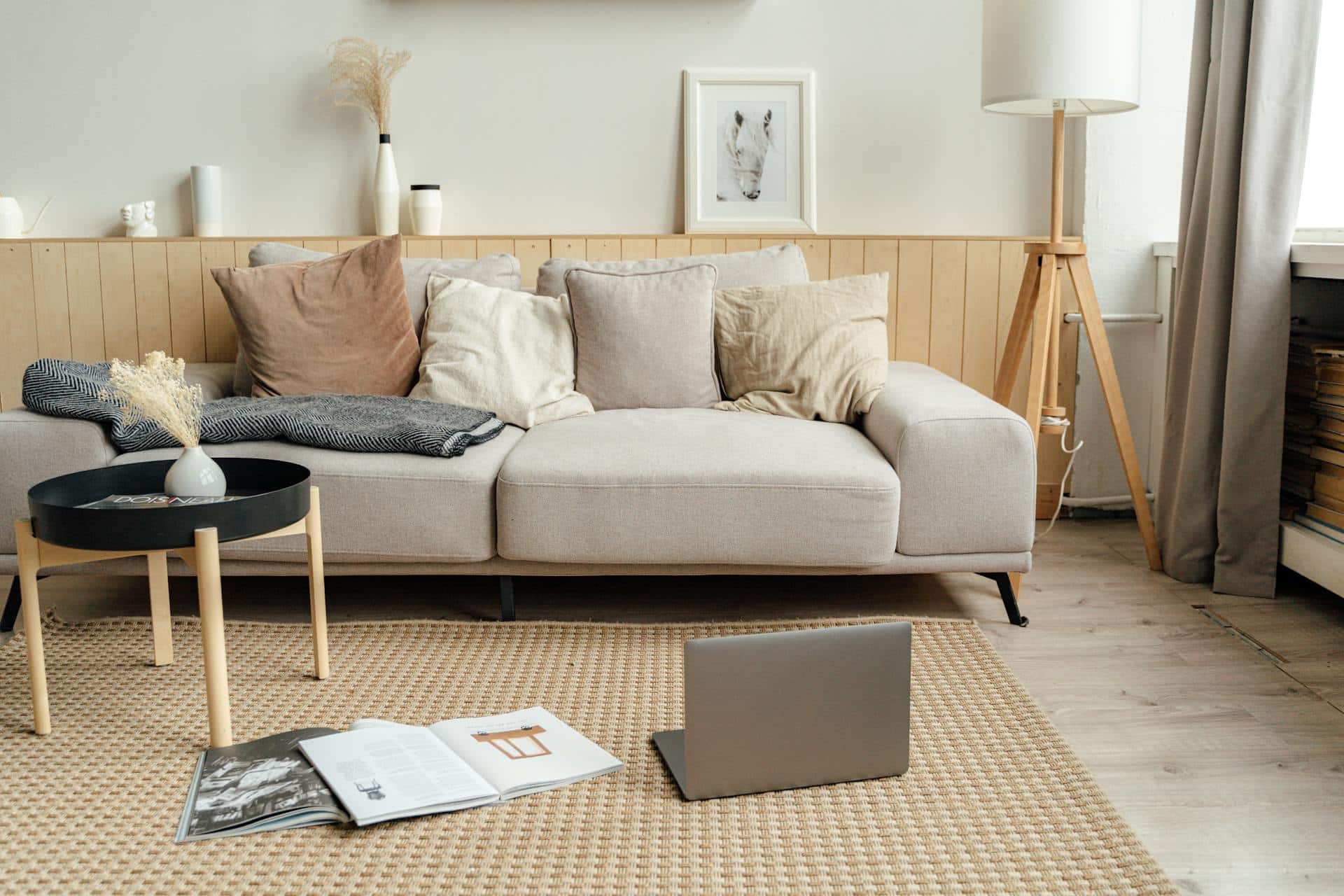
In Home Flooring offers professional carpet installation services in Boulder, CO, tailored to the unique challenges of the local climate and housing styles. Their expertise ensures that each installation meets the specific needs of Boulder residents, providing comfort and durability.
Carpet installation involves precise measurements and expert techniques to ensure long-lasting performance. They address local challenges like humidity fluctuations and UV exposure that can affect carpet longevity.
The company provides a thorough consultation process, assessing subfloor conditions and discussing room usage to select the best materials.
In Home Flooring is licensed and insured, with ongoing training for their installers to protect manufacturer warranties and ensure quality workmanship.
What is the benefit of professional carpet installation in Boulder, CO?
Professional carpet installation in Boulder, CO provides significant benefits, including enhanced comfort and warmth in your home. It transforms cold, hard floors into cozy surfaces, improves sound insulation, and contributes to a more inviting atmosphere in spaces like bedrooms and family rooms, making them more enjoyable for everyday living.
Professional Carpet Installation in Boulder, CO
Have you ever walked barefoot across cold, hard floors on a Boulder winter morning and wondered if there's a better way? Carpet transforms how you experience your home – from the moment your feet touch the floor to the way sound travels through your living spaces. Whether you're creating a cozy basement retreat, upgrading bedrooms for better sleep, or adding warmth to a family room where everyone gathers, professional carpet installation delivers comfort that other flooring types simply cannot match.
Carpet installation involves far more than rolling out material and trimming edges. The process requires precise room measurement, thorough subfloor evaluation, proper padding selection, and expert stretch-in or glue-down techniques depending on your specific application. In Boulder's unique climate – where dry mountain air meets dramatic temperature swings and snowy winters – getting these details right determines whether your carpet performs beautifully for years or develops ripples, seam separation, and premature wear.
Superior comfort underfoot – cushioned padding absorbs impact and provides insulation against cold subfloors
Noise reduction – essential for multi-level homes, condos, and basement living spaces
Safety and slip resistance – particularly valuable for households with children, seniors, or pets
Design versatility – endless options in pile types, textures, and colors to complement Boulder's casual-modern aesthetic
Professional installation matters because manufacturer warranties typically require certified installation, and Boulder's specific challenges – from basement moisture concerns to dramatic humidity fluctuations – demand expertise that DIY approaches cannot provide.
In Home Flooring provides Carpet Installation services in all neighborhoods of Boulder including Arapahoe Ridge, Dakota Ridge, East Aurora, Frazier Meadows, Goss-Grove, Holiday, Keewaydin, Martin Acres, Meadow Glen, Park East, Promontory North, Table Mesa, The Hill, The Promontory, Washington Village, and Wonderland Hills.
Boulder's high-altitude environment creates a distinctive set of challenges for carpet performance. The semi-arid climate means indoor humidity levels often drop dramatically during winter months when heating systems run constantly. This dry air causes carpet fibers to become brittle and more susceptible to crushing, while also generating significant static electricity that attracts dust and allergens.
Snow and ice management creates another layer of complexity. Boulder residents track in moisture, ice melt chemicals, and grit throughout the winter season – substances that can damage carpet fibers, break down padding, and leave stubborn staining near entryways. The intense high-altitude sun streaming through windows accelerates fading, particularly on south and west-facing rooms where UV exposure is most severe.
Local Factors Affecting Boulder Carpets
Dramatic humidity swings – winter indoor levels drop to 15-20%, causing fiber brittleness and static issues
Ice melt and road treatment chemicals – tracked indoors, these corrode fibers and leave white residue stains
High UV intensity – 25% stronger than sea level, accelerating color fading near windows
Red clay and sandy soil – common in Boulder County, this grit embeds in carpet and acts like sandpaper on fibers
Active outdoor lifestyles – hiking boots, trail running shoes, and ski gear bring debris directly into homes
Pet ownership rates – Boulder's dog-friendly culture means many carpets face additional wear, odors, and staining
Watch for warning signs that indicate carpet replacement or repair needs: rippling or buckling across the surface, visible seam separation, persistent odors that cleaning cannot resolve, padding that feels flat or crunchy underfoot, and edges pulling away from walls or transitions. In Boulder's dry climate, carpet that was improperly stretched during installation will show problems faster than in more humid regions.
In Home Flooring brings genuine Boulder expertise to every carpet installation project. Our installers understand the specific challenges of working in homes across this community – from historic Mapleton Hill residences to newer Table Mesa construction. We're licensed and insured, and our installation team receives ongoing training in manufacturer-specific techniques that protect your warranty coverage.
Our process begins with a thorough in-home consultation where we assess your subfloor condition, measure precisely, and discuss how each room will be used. We perform moisture testing where appropriate, particularly for basement installations common in Boulder homes. You'll see samples in your actual lighting conditions – not under showroom fluorescents – so the color and texture you choose is exactly what you'll live with.
Transparent scheduling with realistic timelines – no surprise delays
Jobsite protection for your existing flooring, walls, and furniture
Detailed walkthrough upon completion with care instructions specific to your carpet selection
Clear communication throughout, including consideration for occupied homes, pets, and family schedules
We know Boulder homes, from the quirks of 1960s split-levels to the open floor plans of recent construction. That local knowledge translates to smoother installations and better long-term performance.
Boulder's housing stock reflects several distinct building eras, each presenting unique considerations for carpet installation. The largest concentration of homes dates from the 1960s through 1980s, when Boulder experienced significant growth. These mid-century homes typically feature segmented floor plans with defined rooms – ideal candidates for carpet in bedrooms and living areas while maintaining hard surfaces in kitchens and baths.
Common Boulder Property Types
Single-family homes – predominant in neighborhoods like Martin Acres, Table Mesa, and North Boulder, averaging 1,800-2,400 square feet
Condominiums and townhomes – concentrated near downtown, Gunbarrel, and newer developments, often with HOA sound transmission requirements
Historic properties – Mapleton Hill and University Hill feature homes from the early 1900s with original hardwood that may be layered over
New construction – limited due to growth restrictions, but featuring open concepts and modern subfloor systems
Subfloor conditions vary significantly based on construction era. Homes built before 1980 often have plywood subfloors that may require leveling compound or repair before carpet installation. Basement installations – extremely common in Boulder where finished basements add valuable living space – require careful moisture assessment and appropriate padding selection to prevent mold and mildew issues.
Many Boulder homes feature split-level or tri-level designs with multiple staircases. Stair carpet installation demands precision cutting, secure attachment, and careful attention to nosing safety. Our installers regularly work with these configurations, understanding how to create smooth transitions between levels while maintaining proper stretch tension throughout.
Age-Related Installation Considerations
Evaluate existing subfloor for squeaks, unevenness, or damage before installation begins
Address any settling or levelness issues with appropriate preparation techniques
Remove old carpet and padding completely, including any deteriorated adhesive residue
Install new tack strips where existing ones show wear or improper spacing
Select padding weight appropriate for traffic patterns and subfloor type
Boulder's environmental profile significantly influences carpet selection, installation timing, and long-term maintenance requirements. Sitting at 5,430 feet elevation, the city experiences approximately 300 days of sunshine annually – beautiful for residents but challenging for carpet longevity. UV radiation at this altitude is roughly 25% more intense than at sea level, meaning carpets in sun-exposed rooms face accelerated fading without proper window treatments or UV-resistant fiber selection.
Climate Factors Affecting Carpet Performance
Annual precipitation – approximately 20 inches, with significant moisture tracked indoors during spring snowmelt and summer afternoon storms
Humidity extremes – outdoor humidity ranges from below 20% in winter to 60%+ during monsoon season, causing expansion and contraction in subfloors
Temperature swings – daily variations of 30-40 degrees are common, stressing carpet backing and seams
Wildfire smoke seasons – increasingly common summer smoke events deposit fine particulates that embed in carpet fibers
Air quality considerations play a role in carpet selection for many Boulder households. The city's active population includes many residents with allergies or respiratory sensitivities. Modern carpet actually traps allergens rather than circulating them – making it beneficial when properly maintained – but fiber type and padding selection matter. We recommend low-VOC adhesives and CRI Green Label certified products for clients with air quality concerns.
Environmental Preparation Strategies
Allow carpet materials to acclimate in your home for 24-48 hours before installation
Schedule installation during moderate weather when possible to minimize expansion/contraction stress
Plan for entry mat systems to capture grit, moisture, and ice melt chemicals
Consider solution-dyed fibers for sun-exposed rooms to resist UV fading
Install appropriate moisture barriers for any below-grade applications
Boulder's clay-heavy soils in many neighborhoods create tracking challenges. Fine red-brown particles embed in carpet fibers and act abrasively with foot traffic. Strategic runner placement and regular vacuuming schedules help mitigate this wear pattern common throughout Boulder County.
Population Characteristics & Carpet Installation Considerations
Boulder's population of approximately 105,000 residents presents a distinctive demographic profile that shapes carpet preferences and installation requirements. The city ranks among the most educated in the nation, with over 70% of adults holding bachelor's degrees or higher. This educated, research-oriented population typically arrives at consultations well-informed about fiber types, environmental certifications, and performance specifications – and we appreciate that thoroughness.
Demographic Factors Influencing Carpet Choices
Median household income – approximately $75,000, supporting investment in quality materials and professional installation
Employment sectors – technology, education, and professional services dominate, meaning many residents work from home and prioritize quiet, comfortable spaces
Age distribution – significant populations of young professionals (25-40) and active retirees, each with distinct flooring priorities
Household composition – mix of families with children, couples, and single-person households
Pet ownership – Boulder consistently ranks among the most dog-friendly cities nationally, with pet considerations driving many carpet decisions
The work-from-home trend accelerated by recent years has particular relevance in Boulder's tech-heavy economy. Home office spaces now require thoughtful flooring that reduces noise transmission during video calls, provides comfort for long hours at desks, and resists chair caster wear. We frequently recommend commercial-grade carpet tiles for these applications – they offer easy replacement of worn sections and excellent acoustics.
Service Considerations for Boulder Residents
Evening and weekend consultation availability for working professionals
Pet-friendly fiber recommendations including stain-resistant treatments and durable constructions
Eco-conscious product options including recycled content and low-emission certifications
Rental property solutions balancing durability with budget considerations
Multi-generational household accommodations including slip-resistant options for seniors
Boulder's rental market – driven by the University of Colorado and transient professional population – creates demand for durable, easily maintained carpet that withstands tenant turnover. Property owners and managers benefit from our experience selecting products that balance upfront cost with longevity and cleaning ease.
Pet Ownership Trends and Carpet Performance in Boulder
Boulder's reputation as one of America's most pet-friendly cities directly impacts carpet installation decisions throughout the community. Local surveys and veterinary data suggest that over 60% of Boulder households include at least one pet, with dogs being particularly prevalent. This reality shapes nearly every carpet consultation we conduct – from fiber selection to padding choices to stain protection treatments.
Pet-Related Carpet Considerations
Fiber durability – nylon and polyester blends resist claw damage and recover better from compression
Odor control – moisture-barrier padding prevents accidents from reaching subfloors where odors become permanent
Color selection – mid-tone neutrals and heathered patterns hide pet hair and minor soiling between cleanings
Pile type – loop constructions can snag on claws, making cut-pile or cut-loop blends preferable for pet households
The active Boulder lifestyle means pets frequently transition from outdoor adventures to indoor relaxation. Dogs returning from trails carry moisture, dirt, and debris that challenges carpet performance. We recommend specific entry strategies and runner placements that concentrate wear in easily maintained areas while protecting main living space carpet.
Pet-Friendly Installation Best Practices
Select carpet with built-in stain and odor resistance rather than relying solely on topical treatments
Choose padding with moisture barrier backing for accident protection
Consider carpet tiles in high-traffic pet areas for easy section replacement
Install transition strips that create defined boundaries for entry wiping zones
Plan furniture placement to create pet traffic patterns that distribute wear evenly
Boulder's dog parks, trail systems, and outdoor culture mean carpet must perform under conditions that would challenge any flooring type. Our experience with local pet households has refined our recommendations – we know which products hold up to Boulder's active four-legged residents and which fall short. During your consultation, we'll discuss your specific pets, their habits, and the realistic performance you can expect from various carpet options.
For households with multiple pets or large breeds, we often recommend commercial-grade residential carpet that offers superior durability without sacrificing comfort. These products cost modestly more upfront but deliver significantly longer service life in demanding Boulder pet households.
Carpet installation provides several benefits, including enhanced comfort underfoot, improved insulation against cold floors, and noise reduction, which is especially valuable in multi-level homes. Additionally, carpets come in a variety of styles and colors, allowing you to customize your space to match Boulder’s aesthetic.
The duration of carpet installation can vary based on the size of the area and the complexity of the job. Typically, a standard installation can take anywhere from a few hours to a full day. It's best to consult with your installer for a more accurate estimate based on your specific project.
To prepare for carpet installation, clear the area of furniture and personal items. It's also helpful to ensure that the subfloor is clean and dry. If you have pets, consider keeping them in a separate area during the installation to avoid any distractions or accidents.
While DIY carpet installation is possible, hiring a professional is often recommended. Professionals have the expertise to handle challenges specific to Boulder’s climate, such as moisture issues and proper padding selection, which can affect the longevity and appearance of your carpet.
In Boulder’s semi-arid climate, it’s advisable to choose carpets made from durable fibers that can withstand temperature fluctuations and dry air. Synthetic fibers like nylon and polyester are often recommended for their resilience and ease of maintenance.
To maintain your carpet in Boulder, regular vacuuming is essential to remove dust and allergens, especially during dry months. Additionally, consider using mats at entryways to reduce dirt and moisture tracked in from outside. Professional cleaning every 12-18 months can also help extend the life of your carpet.
The cost of carpet installation in Boulder can be influenced by several factors, including the type of carpet chosen, the size of the area, and any necessary prep work like subfloor repairs. Additional costs may arise from special features such as padding upgrades or complex layouts.