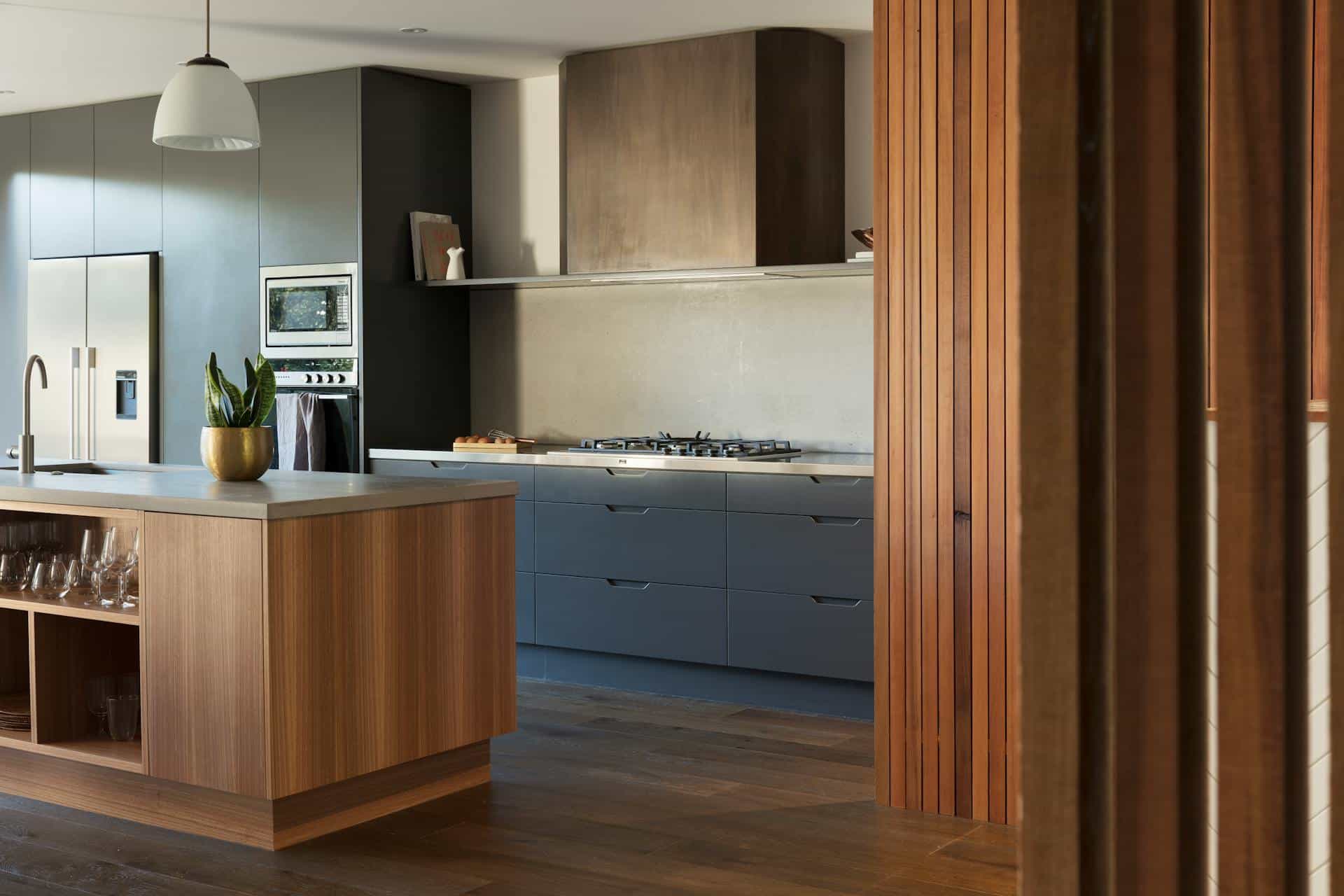
Refinishing hardwood floors in Lakewood, CO revitalizes tired and scratched surfaces, enhancing the beauty and value of homes. This process involves sanding, repairing, and applying new finishes, tailored to the unique climate challenges of the area.
Homeowners in Lakewood often face issues like discoloration and scratches due to the local climate. Refinishing can restore the original beauty and extend the lifespan of hardwood floors by 20-30 years.
The refinishing process requires careful assessment of moisture levels and wear depth, ensuring the right finish is chosen for each home.
In Home Flooring offers licensed professionals who use dustless sanding techniques and provide clear communication throughout the project, ensuring minimal disruption.
What is the process of refinishing hardwood floors?
Refinishing hardwood floors involves sanding down the surface to remove scratches and imperfections, followed by applying a new stain and finish. This process revitalizes the wood, enhancing its appearance and extending its lifespan, making it a cost-effective alternative to complete floor replacement.
Hardwood Floor Refinishing in Lakewood, CO
Have you noticed your once-gleaming hardwood floors looking tired, scratched, or dull? You're not alone. Lakewood homeowners frequently face this challenge, especially given our unique combination of dry mountain air, intense sunshine, and active household lifestyles. Refinishing your hardwood floors breathes new life into your home's foundation – restoring warmth, character, and value without the cost of complete replacement.
Hardwood floor refinishing involves carefully sanding away the worn top layer of your existing floors, repairing any damaged boards, and applying fresh stain and protective finish coats. The process requires precise equipment calibration, proper grit progression during sanding, and expert application of polyurethane, oil-based, or water-based finishes. Professional refinishing addresses scratches, wear patterns, discoloration, and minor structural issues while preserving the original wood beneath.
Restored beauty that highlights natural wood grain and character
Extended floor lifespan – often adding 20-30 years of service
Increased home resale value and buyer appeal
Elimination of accumulated dirt, allergens, and old finish buildup
In Lakewood specifically, our semi-arid climate and elevation create unique considerations. Low humidity causes wood movement, while intense UV exposure accelerates finish breakdown. Professional assessment accounts for these factors, ensuring proper moisture testing, appropriate finish selection, and realistic expectations for your specific floor conditions.
In Home Flooring provides Refinish Hardwood Floors services in all neighborhoods of Lakewood including Applewood, Avenida Lakewood 55+ Active Living, Barnum West, Camden Lakeway, Edgemont, Green Mountain Village, Heron Shores, Marston, Nevada Place, Ponderosa Ridge, Rooney Valley, Sage Corner, Shadow Hills, Spivak, Terrace View, and West Link at Oak Station.
Lakewood's Front Range location creates a distinct set of challenges for hardwood floors. The combination of 300+ days of sunshine annually and humidity levels that swing dramatically between seasons takes a measurable toll on wood flooring. Homeowners here often notice fading near south-facing windows, gapping between boards during winter months, and finish wear in high-traffic zones far sooner than expected.
Seasonal timing matters significantly for refinishing projects. Winter's dry indoor air – often dropping below 20% relative humidity – causes wood to contract and creates visible gaps. Summer monsoon moisture can temporarily swell boards. The ideal refinishing window typically falls during spring or early fall when humidity levels remain moderate and temperature fluctuations are less extreme.
Warning Signs Your Lakewood Floors Need Attention
Gray or black discoloration indicating water damage or finish failure
Visible scratches that catch dirt and appear darker than surrounding wood
Boards cupping upward at edges – a sign of moisture imbalance
Finish peeling or flaking, especially near entryways and kitchens
Squeaking or movement underfoot suggesting subfloor issues
Sun-bleached patches near windows contrasting with protected areas
Pet ownership runs high in Lakewood households, and claw marks accumulate quickly on worn finishes. Entry areas suffer from tracked-in gravel, ice melt residue, and winter boot moisture. Many homes built in the 1960s through 1980s still have original hardwood beneath carpet – these hidden floors often need professional evaluation before refinishing can proceed.
In Home Flooring brings neighborhood-level familiarity to every Lakewood refinishing project. Our team understands the specific challenges of homes in Green Mountain, Belmar, and Lakewood Heights – from the split-level layouts common in older subdivisions to the open-concept designs in newer developments near Union Boulevard.
Our process begins with thorough in-home consultation. We test moisture levels in your subfloor and existing hardwood, evaluate wear depth to determine sanding viability, and discuss finish options suited to your lifestyle and Lakewood's climate demands.
What Sets Us Apart
Licensed and insured professionals with manufacturer-trained finishing expertise
Transparent project timelines with clear communication at every stage
Dustless sanding equipment minimizing disruption to occupied homes
Detailed walkthrough upon completion with written care instructions
We respect that refinishing happens in your living space. Our crews protect adjacent rooms, work efficiently to minimize displacement, and leave your home cleaner than typical job sites. Post-project follow-up ensures your satisfaction and helps you register any applicable finish warranties.
Lakewood's housing stock tells a story of Denver's western suburban expansion. The majority of homes were constructed between 1955 and 1985, with significant building activity during the 1970s. This means many properties feature original hardwood floors – often red oak or white oak – that have seen decades of use and multiple owners.
Common Property Types and Their Flooring Implications
Ranch-style single-family homes with slab-on-grade foundations requiring moisture barrier evaluation
Split-level designs with multiple stair transitions needing careful nosing refinishing
Bi-level homes where entry-level flooring endures concentrated wear
Townhomes and condos with HOA sound transmission requirements
Newer construction (post-2000) often featuring engineered hardwood with limited refinishing potential
Subfloor conditions vary significantly based on construction era. Homes built before 1970 typically have plywood subflooring that remains stable, while some 1980s construction used particle board that may have swelled from past moisture exposure. Slab foundations – common in Lakewood's ranch homes – present moisture migration concerns that affect both adhesive selection and finish performance.
Average home sizes in Lakewood range from 1,200 to 2,400 square feet, with many featuring open floor plans created through later renovations. These open layouts mean refinishing projects often involve larger continuous areas, making color matching and consistent finish application more visible and demanding precise technique.
Lakewood sits at approximately 5,500 feet elevation, creating environmental conditions that directly impact hardwood floor performance. Annual humidity averages just 40-50% outdoors, dropping significantly lower inside heated homes during winter. This persistent dryness causes wood to lose moisture, contract, and develop gaps – a primary driver of refinishing needs in our area.
Climate Factors Affecting Your Hardwood Floors
UV intensity 25% higher than sea level, accelerating finish degradation and wood fading
Winter indoor humidity often below 25%, causing board shrinkage and gap formation
Summer monsoon season bringing temporary humidity spikes and potential swelling
Temperature swings of 30-40 degrees within single days stressing finish adhesion
Occasional wildfire smoke seasons depositing fine particulates that settle into floor crevices
Water quality in Lakewood comes from Denver Water's mountain reservoir system. While generally excellent, the water contains minerals that can leave residue if used improperly during floor cleaning. We recommend specific cleaning protocols and products that work with local water characteristics rather than against them.
Soil composition in Lakewood includes significant clay content, particularly in areas near Green Mountain and the western portions of the city. This clay creates mud that dries into fine, abrasive grit – a leading cause of finish scratches when tracked indoors. Entry mat systems and regular sweeping become protective measures worth discussing during your consultation.
Environmental Protection Strategies
Install UV-filtering window treatments on south and west-facing windows
Maintain indoor humidity between 35-55% using humidifiers during heating season
Place quality entry mats at all exterior doors to capture grit and moisture
Select finish systems rated for high UV exposure when refinishing sun-drenched rooms
Population Characteristics & Refinish Hardwood Floors Considerations
Lakewood's population of approximately 155,000 residents creates diverse flooring demands. The city functions as an established suburban community with a mix of long-term homeowners, young families purchasing starter homes, and retirees aging in place. Each demographic brings different priorities to refinishing decisions.
How Lakewood Demographics Shape Flooring Needs
Median household income around $65,000 supports mid-range to premium finish selections
High pet ownership rates demand scratch-resistant finish systems
Growing work-from-home population increasing wear on home office areas
Active outdoor lifestyle bringing trail debris and seasonal moisture indoors
Significant retiree population prioritizing slip-resistant finishes and low-maintenance care
Employment in Lakewood spans government positions at the Federal Center, healthcare roles at St. Anthony Hospital, and numerous small businesses along Wadsworth and Colfax corridors. This employment diversity means scheduling flexibility matters – we offer evening and weekend consultations to accommodate varied work schedules.
Cultural diversity in Lakewood continues growing, with households representing various traditions around footwear indoors, entertaining styles, and aesthetic preferences. Our consultation process explores how you actually live in your space, ensuring finish selections align with your household's specific patterns rather than generic recommendations.
Service Considerations for Lakewood Residents
Flexible scheduling accommodating government and healthcare shift workers
Pet-friendly finish recommendations for households with dogs or cats
Budget-tiered options from practical refreshes to premium restoration
Quick-turnaround availability for real estate transactions and move-in deadlines
Hardwood Floor Age and Refinishing Potential in Lakewood
Lakewood's building boom decades created a concentration of homes with original hardwood floors now reaching prime refinishing age. Floors installed during the 1960s and 1970s have typically been refinished once or twice – meaning they retain sufficient wood thickness for another professional sanding. However, floors that received aggressive past refinishing or sustained water damage may have limited remaining material.
What Local Housing Data Reveals
Over 60% of Lakewood homes were built before 1985, many with solid 3/4-inch hardwood
Red oak remains the dominant species in homes from this era, followed by white oak
Many 1970s homes feature hardwood hidden beneath carpet – often in excellent condition
Post-1990 construction increasingly used engineered hardwood with thinner wear layers
Basement finishing projects from the 1990s-2000s frequently installed laminate rather than hardwood
Jefferson County permit data indicates steady remodeling activity in Lakewood, with kitchen and flooring projects ranking among the most common improvements. Homeowners preparing properties for sale frequently invest in refinishing as a high-return upgrade – real estate professionals consistently cite refinished hardwood as a top buyer attraction in the competitive Denver metro market.
The distinction between solid hardwood and engineered products matters significantly for refinishing potential. Solid hardwood floors can typically handle 3-5 refinishing cycles over their lifespan. Engineered floors – increasingly common in Lakewood homes built after 1995 – have wear layers ranging from 1mm to 6mm, with only thicker versions suitable for sanding. Our evaluation process includes precise measurement of remaining wear layer to determine your floor's refinishing viability.
Refinishing Viability Assessment Steps
Visual inspection for wear depth, damage patterns, and previous refinishing evidence
Moisture testing of both hardwood and subfloor materials
Measurement of remaining wood thickness above tongue-and-groove joint
Evaluation of board stability, squeaks, and subfloor attachment
Discussion of finish options appropriate for measured conditions
Understanding your floor's history and current condition allows realistic project planning. Some Lakewood floors reveal beautiful character once refinished; others may require selective board replacement before sanding. Our honest assessment protects your investment and sets appropriate expectations from the start.
Common signs include scratches, dullness, and discoloration. You might also notice gaps between the boards or a lack of shine, especially in high-traffic areas. If your floors look tired or have lost their luster, it may be time to consider refinishing.
The refinishing process typically takes about 3 to 5 days, depending on the size of the area and the condition of the floors. This includes sanding, staining, and applying protective finishes. Keep in mind that you will need to allow additional time for the finishes to cure before walking on the floors.
While DIY refinishing is possible, it requires specialized equipment and skills to achieve a quality finish. Hiring a professional ensures that the job is done correctly, with proper sanding techniques and finish application, which can save you time and potential mistakes.
In Lakewood, a water-based finish is often recommended due to its quick drying time and lower odor. However, oil-based finishes provide a richer color and durability. The choice depends on your preferences and the specific conditions of your home.
Generally, hardwood floors should be refinished every 7 to 10 years, but this can vary based on traffic and wear. If you notice significant wear or damage, it may be necessary to refinish sooner to maintain their appearance and protect the wood.
The cost can vary widely based on the size of the area, the condition of the floors, and the type of finish used. On average, homeowners can expect to pay between $3 to $8 per square foot for refinishing services.
The ideal time for refinishing is during spring or early fall when humidity levels are moderate. This helps prevent issues related to wood expansion and contraction, ensuring a better finish and overall result.