The Rise of XL Planks and Tiles: How Large Formats Make Small Rooms Look Bigger
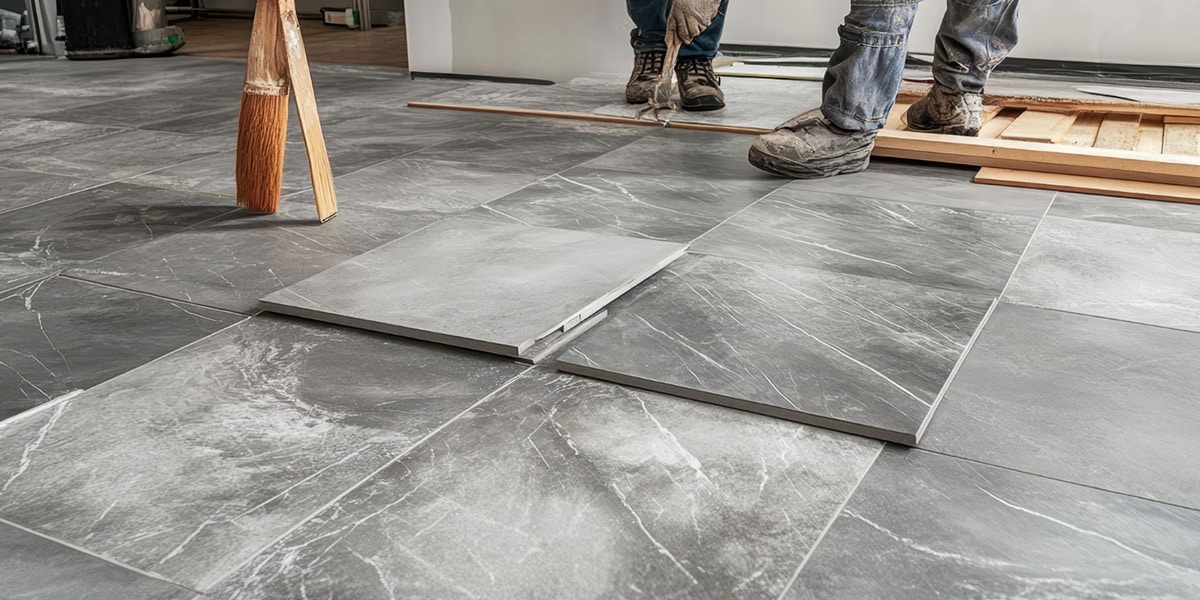
Large-format flooring has transformed the tile industry by offering dimensions of 15×30 inches or larger, including both square tiles and rectangular tile options. These oversized tiles create expansive floor surfaces with fewer grout lines, allowing the eye to move smoothly across the room and giving the impression of a more spacious area. Small rooms, in particular, benefit from this visual effect because traditional floor tile sizes with numerous grout lines tend to break the floor into smaller sections, making the space feel cramped. Slab tiles and other high-quality tiles in large formats eliminate these visual interruptions, creating a clean, seamless look.
When installing large-format tiles, preparation is critical. The subfloor must be perfectly level, as any bumps or dips become highly noticeable under bigger pieces. Professional contractors often use leveling systems to prevent lippage, a common issue where one tile edge sits higher than its neighbor. Orientation also affects perception: laying planks parallel to the longest wall directs the eye along the length of the room, enhancing the sense of depth. Grout color plays a complementary role; matching grout closely to the tile color produces a unified plane that amplifies the spacious feel.
Popular tile sizes now include XL ceramic, porcelain, and luxury vinyl tiles, which cater to both aesthetic and functional needs. Bathroom tiles benefit from the larger sizes because fewer seams reduce water intrusion and make cleaning easier. Wood-look rectangular tiles and plank-shaped luxury vinyl tiles deliver the warmth of hardwood while providing durability and moisture resistance. Stone-look slab tiles mimic the elegance of natural marble or travertine, giving homeowners a luxurious appearance without the high-maintenance upkeep. By selecting the right floor tile sizes and materials, property owners can achieve a contemporary, open, and visually striking space that elevates the overall design.
Why Large-Format Flooring Changes How Space Is Perceived
Porcelain tiles and other large-format tile flooring not only create a sleek, modern aesthetic but also enhance the perception of space in interior design. Subway tiles, when used on walls or as backsplash tile sizes, can complement floors by extending visual lines upward, drawing the eye along a continuous plane. Designers often pair large-format floor tiles with feature walls to create a cohesive look that feels expansive and well-planned. Flexible loose tile display techniques allow homeowners and contractors to test different layouts before installation, ensuring the final arrangement maximizes the sense of space and aligns with design intentions.
Proper installation is critical because even a single loose tile can disrupt the visual continuity and diminish the spacious effect. When subfloors are perfectly prepared, and tiles are laid with minimal grout lines, the result is a seamless surface that enhances the room’s depth. Feature walls made from matching or complementary tiles further unify the space, giving both horizontal and vertical planes a sense of continuity. In kitchens and bathrooms, carefully selected backsplash tile sizes can create rhythm and balance without overpowering the room.
By combining large-format porcelain tiles, thoughtful subway tile layouts, and flexible loose tile display options, designers and homeowners can achieve interiors that feel larger, cleaner, and more sophisticated. The interplay between floor and wall tiles ensures that every surface contributes to the overall perception of spaciousness, while strategic alignment and professional installation prevent gaps or loose tiles from interrupting the visual flow.
Installation Standards That Matter More with Oversized Materials
When tiles exceed 15×30 inches, substrate flatness requirements become more critical than with standard formats. Large-format tile installations demand floors within 1/8-inch variation over 10 feet—twice as stringent as conventional specifications. The American National Standards Institute (ANSI) establishes these floor flatness criteria to prevent lippage, where tile edges misalign and destroy the seamless look these materials promise.
Trowel technique changes with scale. Back-buttering (applying mortar to both the substrate and tile back) becomes mandatory, ensuring 95% thin-set mortar coverage that prevents hollow voids and stress cracks. Grout joints narrow to 1/16 or 1/8 inch, making alignment precision essential. A single millimeter of drift multiplies visually across extended runs.
Rectified edges (precisely cut tile perimeters) enable minimal grout lines but demand perfect layout execution. Installers must account for differential deflection in subfloors—the flexing and movement that occurs when people walk across the surface. Movement tolerances tighten as tile dimensions expand.
Professional-grade tile leveling systems (wedges and clips that hold tiles flat during curing) become essential tools rather than optional conveniences when working with oversized materials.
The Tile Council of North America (TCNA) recommends using polymer-modified thin-set adhesives for large-format installations. These adhesives provide superior bond strength compared to traditional cement-based mortars.
Proper substrate preparation, including concrete slab moisture testing and crack isolation membrane installation, protects the investment in premium large-format porcelain or ceramic tile materials.
Design Rules for Using XL Planks and Tiles in Compact Rooms
Most people assume that large planks and tiles make small rooms feel crowded, but when applied correctly, oversized flooring can dramatically enhance the sense of space in compact areas. Large-format materials minimize visual interruptions by reducing the number of grout lines and seams that break up the floor plane, creating a continuous surface that the eye reads as expansive. The effect is most noticeable in small kitchens, bathrooms, hallways, and studio apartments where traditional-sized tiles or narrow planks create a busy, segmented look.
Direction plays a crucial role in this optical illusion – Running planks parallel to the longest wall guides the eye along the room’s full length, creating the perception of greater depth. Perpendicular layouts, by contrast, make spaces appear shorter and more confined. In multi-room layouts, keeping plank orientation consistent through doorways and open archways ensures uninterrupted sightlines, allowing one room to flow seamlessly into another. This continuity prevents visual stops that break the perception of openness and maximizes the effect of large-format flooring.
Grout lines and color selection further influence spatial perception – Large tiles naturally have fewer grout lines, which reduces visual clutter. Matching grout color to the tile creates a unified floor plane that appears almost seamless, whereas contrasting grout draws attention to each piece and diminishes the spacious effect. Designers often recommend using minimal grout joint widths—typically 1/16 to 1/8 inch—for oversized tiles to strengthen the illusion of a continuous surface.
Edge treatments also affect how large-format floors are perceived – Avoid decorative borders, contrasting edge strips, or checkerboard patterns in compact rooms, as these features break up the floor visually and make the area feel chopped into smaller sections. Installing the flooring wall-to-wall without interruptions maintains a fluid visual flow and enhances the perception of a larger footprint.
Surface finish and light reflection are equally important – Matte finishes are ideal because they reflect ambient light softly without creating glare spots that distract the eye. Subtle reflection brightens the room and emphasizes the uninterrupted floor surface. High-gloss finishes, while visually striking, can create harsh reflections that draw attention to individual tiles or planks, undermining the sense of openness.
Color strategy amplifies the spacious effect further – Using a single, uniform color across large-format tiles prevents the eye from catching on visual breaks, making the room feel wider and more cohesive. Light, neutral tones such as soft gray, beige, or warm taupe work particularly well in small spaces, as they reflect more light and enhance the airy feeling. Darker colors can be used effectively if paired with proper lighting, but too much contrast within the flooring can reduce the perception of space.
The texture of the tile or plank matters – Subtle textures such as wire-brushed wood patterns or matte stone finishes hide minor scratches and wear without creating busy visual patterns. This keeps the surface visually calm, allowing the eye to focus on the overall area rather than the individual elements of the flooring. Combining these techniques—directional alignment, grout matching, edge treatment, surface finish, color consistency, and subtle texture—creates a flooring solution that maximizes perceived space, making even the smallest rooms feel open, airy, and inviting.
When XL Formats Are Worth the Investment for Homeowners
Extra-large planks and tiles represent a premium investment compared to standard flooring sizes, and homeowners should carefully evaluate their project goals before making a purchase. High-quality large-format tiles shine in open floor plans where wide, uninterrupted surfaces showcase the material’s full aesthetic impact. Areas such as kitchen islands, great rooms, and master bedroom suites benefit most from this approach, as the expansive surfaces highlight the sleek, modern look that oversized tiles provide.
Homes built on concrete slab foundations simplify the installation process. A solid base minimizes subfloor preparation and reduces installation time, helping offset the higher cost of the materials. Modern architectural styles with minimalist lines and open layouts tend to experience the greatest boost in property value when paired with large-format tiles. The scale of the tiles complements the spacious design, creating a cohesive and visually striking effect that appeals to potential buyers.
For homeowners planning to stay in their residences long-term, the investment in extra-large tiles pays off through durability and reduced maintenance. Fewer grout lines between tiles mean less cleaning and a lower likelihood of grout discoloration over time. Properly installed, large-format tile floors can maintain their elegance and functionality for 20 to 30 years with routine care, making them a cost-effective choice over the life of the home.
Budget-conscious renovations can benefit from a mixed-size approach. Standard-sized tiles are practical for smaller areas such as guest bathrooms, laundry rooms, or closets, while oversized tiles create maximum visual impact in main living areas like kitchens, family rooms, and primary bathrooms. This strategy balances cost management with the design benefits of large-format flooring.
Professional installation is essential for large-format tiles. Skilled tile setters prevent common issues such as lippage, where edges of adjacent tiles sit unevenly, and ensure proper adhesion using the right mortar and installation tools. Incorrect installation can lead to cracked tiles and wasted expense, undermining the value of the investment.
Rectangular room layouts complement plank-style large-format tiles and minimize material waste. Careful measurement and pre-planning of tile layout before ordering materials are critical to avoid over-purchasing or shortages. Thoughtful preparation ensures that each tile is placed efficiently, creating a seamless, polished finish that highlights both the beauty of the flooring and the space it occupies.