How Colorado’s Dry Climate Is Rewriting Manufacturer Installation Specs
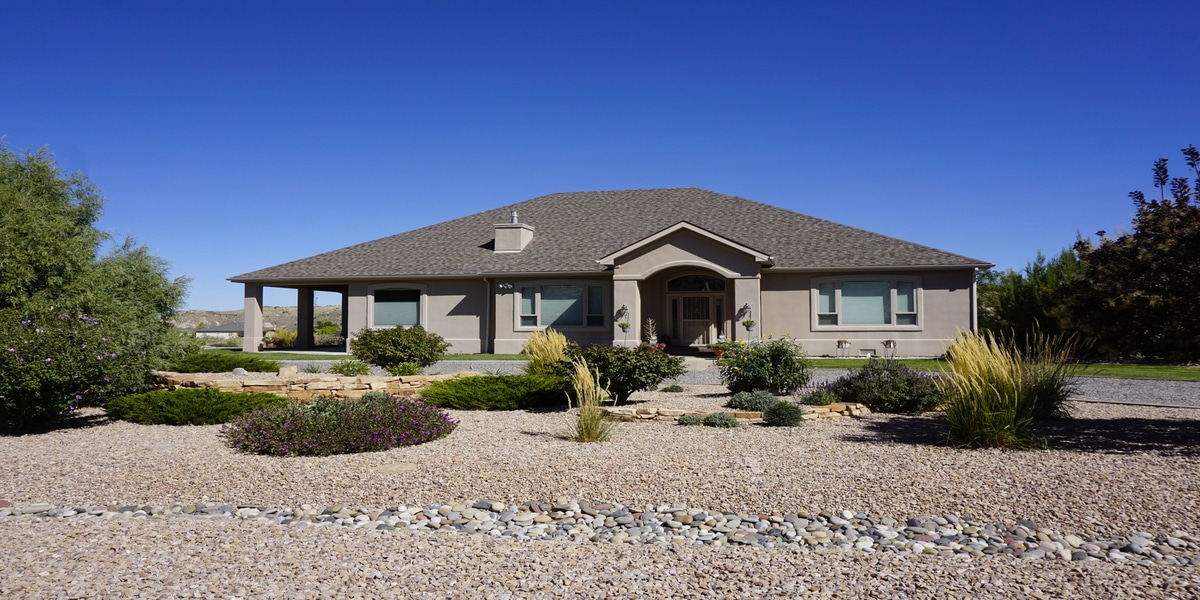
Colorado’s dry climate challenges not only hardwood flooring but also the state’s overall approach to managing water resources. With humidity levels averaging 15–25%, compared to the 30–50% found in most areas, both homeowners and regional planners face unique issues related to moisture control, water storage, and long-term sustainability. These same environmental conditions that impact flooring installations also influence daily water usage and statewide conservation policies tied to river basins and reservoirs.
Preparation Time
Wood flooring installers working in Colorado must allow longer acclimation periods due to the low moisture levels in the air. What typically takes 72 hours in most regions can extend to 10–14 days in this state. During this time, the wood must reach an internal moisture content between 4–7% before being installed. This process mirrors how the state manages water storage levels in its reservoirs—both require monitoring and adjustment to maintain balance over time.
Spacing and Gaps
Just as basin states must leave room in water storage systems to handle seasonal snowmelt and rainfall changes, Colorado installers must leave 20–30% larger expansion gaps between floorboards and around walls. These gaps accommodate natural wood movement caused by humidity fluctuations and prevent buckling as the seasons shift.
Installation Materials
In Colorado’s arid environment, adhesives and glues lose moisture quickly, similar to how open water sources like reservoirs and basins evaporate faster under the mountain sun. Installers must use low-humidity adhesive formulas or work more swiftly to ensure a strong bond before the product dries. The state’s flooring professionals often compare this to managing shrinking water supplies—efficiency and timing are everything.
Technical Requirements
Following the National Wood Flooring Association (NWFA) standards is essential. The moisture difference between the subfloor and the wood planks should never exceed 2%. Nails and staples must be driven 1/8 inch deeper than standard recommendations to account for the dryness. These technical adjustments parallel how water management agencies measure and regulate water cuts among basin states, ensuring systems remain balanced despite environmental stress.
Documentation
Professional installers maintain detailed records of humidity, temperature, and subfloor moisture readings for each floor area. These records protect manufacturer warranties and prove that installation followed climate-specific guidelines. In a broader sense, these practices resemble how Colorado tracks water storage levels across its reservoirs—consistent monitoring prevents long-term damage and supports sustainable use.
From water supplies that feed mountain communities to the careful acclimation of hardwood planks, Colorado’s climate demands precision and planning. Whether you’re managing a shower’s water flow, balancing a home’s humidity, or maintaining the integrity of custom wood flooring, success in this environment depends on understanding how every drop—and every percentage of moisture—matters.
Climate-Driven Changes to Moisture & Acclimation Requirements
Colorado’s climate pushes both homeowners and building professionals to rethink standard installation practices and energy management strategies. The same low-humidity environment that affects water demand across the state also impacts how hardwood floors behave once installed. With air moisture levels averaging only 15–25%, compared to the 30–50% found in most regions, wood flooring in Colorado faces unique challenges tied to dryness, elevation, and seasonal variation.
Wood Moisture Levels Need Different Targets
Hardwood flooring in Colorado must reach 4–7% internal moisture content before installation begins. In contrast, humid states typically target 6–9%. This lower range accounts for the state’s arid air, where wood naturally loses water faster. Installers must allow wood planks to acclimate for 10–14 days, compared to the 72-hour standard in other climates. Skipping this step leads to visible gapping, warping, and structural movement that can shorten a floor’s lifespan.
Testing Requirements Protect Your Investment
Moisture testing provides the proof needed to ensure proper installation in Colorado’s dry environment. Flooring professionals take readings from both the wood subfloor and the planks themselves, making sure they align with the home’s ambient humidity. This process functions like monitoring regional water demand—it ensures balance and stability before problems arise. Homeowners who document these readings protect their flooring warranty and prevent issues tied to shifting indoor moisture levels.
Elevation Affects Wood Behavior
Colorado’s elevation compounds these effects. Homes above 5,000 feet experience even lower relative humidity, meaning wood fibers hold less moisture at all times. This behavior mimics how the state manages its limited water resources during crisis years—there’s simply less moisture available to sustain balance. Installers counteract this by increasing expansion gaps around rooms and adjusting fastener depth to allow for the wood’s natural movement under extreme dryness.
Industry Standards Recognize Regional Differences
The National Wood Flooring Association (NWFA) divides the United States into specific climate zones, and Colorado falls firmly within the arid category. The NWFA mandates that the difference between subfloor and plank moisture cannot exceed 2%. This standard ensures the installation will endure long-term, even under fluctuating humidity levels. It also mirrors how state and federal agencies handle enforceable cuts in water allocation—both require strict compliance to prevent failure under pressure.
Energy and Environmental Considerations
Ventilation and heating facilities inside Colorado homes also play major roles in maintaining stable indoor conditions. Proper ventilation prevents excess drying during winter heating, while window glazing helps regulate temperature swings that contribute to wood contraction. These systems work together much like Colorado’s approach to managing water storage and distribution—balancing demand, controlling flow, and conserving resources under challenging conditions.
Why These Adjustments Matter
Wood expands when exposed to moisture and contracts when it dries. Colorado’s persistent dryness keeps wood in a constant state of contraction unless proper acclimation steps are taken. Understanding this interaction between wood, air, and structure safeguards your investment. Just as managing reservoirs and water storage levels secures Colorado’s future water supply, maintaining proper indoor conditions ensures your flooring remains stable, attractive, and durable for decades.
Revised Fastening, Expansion, and Adhesive Recommendations
Colorado’s fluctuating humidity and high-altitude air create conditions that demand precision in every step of flooring installation. With relative humidity ranging from 15% to 60% annually, installers must address not only wood movement but also air quality, adhesive performance, and temperature control. These same dry conditions that affect building comfort also influence indoor air chemistry, including the release of volatile organic compounds (VOCs) from adhesives and finishes.
Expansion Gaps and Spacing
Wood flooring naturally expands and contracts with changing moisture levels. In Colorado’s arid climate, installers must leave 20–30% larger expansion gaps around the room perimeter than in humid states. This prevents buckling during wetter months and cracking during dry winters. Louvers on windows and vents help maintain consistent airflow, reducing sudden humidity shifts between the kitchen area, bathrooms, and living spaces. Controlling these microclimates helps wood maintain its stability throughout the home.
Fastener Specifications
Dry air increases wood density, making it harder for nails and staples to penetrate deeply enough for long-term hold. To counteract this, Colorado installers drive fasteners 1/8 inch deeper than standard recommendations. This ensures secure attachment even when the subfloor has lost moisture over time. When combined with proper ventilation and consistent room temperature, this adjustment helps floors stay tight and quiet under seasonal stress.
Adhesive Application Challenges
Construction adhesives cure much faster in Colorado’s low-humidity environment. When indoor air dips below 20% humidity, the adhesive’s open time shortens by as much as 50%. As a result, installers must modify their workflow to maintain strong, uniform bonds.
Best practices include:
- Spreading adhesive over smaller sections of floor area (150–200 sq. ft. instead of 300–400 sq. ft.)
- Using deeper trowel notches (1/4 inch x 3/8 inch) to ensure consistent coverage
- Working in pairs so one person spreads while another immediately sets the planks
These methods minimize the risk of premature skin formation on the adhesive surface, which can lead to weak spots and gaps under the flooring. Choosing low-VOC adhesives also reduces indoor emissions, keeping the air cleaner and safer during installation—especially in enclosed basement or kitchen areas.
Environmental and Code Considerations
Colorado’s construction codes integrate environmental performance with building durability. Regions above 7,000 feet elevation require vapor barrier systems rated for 80–100 annual freeze-thaw cycles, while Front Range areas typically require ratings for 40–60 cycles. Maintaining consistent room temperature and humidity through properly designed louvers, efficient heating systems, and vapor barriers ensures long-term flooring stability and energy efficiency.
Manufacturer Limits vs. Real-World Colorado Conditions
Flooring manufacturers create their products to perform within environments that maintain 30–50% relative humidity. Across the Rocky Mountain region, this benchmark clashes with reality. Colorado’s indoor air often sits between 15–25% humidity, far below manufacturer standards. This imbalance creates serious installation and warranty challenges for professionals working in the state’s dry, high-altitude climate.
Wood flooring, laminate planks, and engineered hardwood all respond dynamically to moisture in the air. When humidity levels fall below recommended thresholds, the materials shrink, warp, or separate. Gaps form between planks, edges curl upward, and adhesives can lose their bond strength if they cure too fast or too unevenly. These problems don’t result from poor workmanship but from environmental conditions that differ sharply from factory assumptions.
To address these challenges, Colorado installers often use temporary humidification systems during installation. These units raise indoor moisture levels for several days, stabilizing the environment long enough to allow adhesives and finishes to perform properly. While effective, this process increases project costs and water usage. Homeowners and property managers across Denver, Boulder, and Colorado Springs now routinely factor in these expenses when budgeting for new flooring.
Environmental compliance adds another layer of complexity. Some humidification systems emit small amounts of byproducts that can fall under Colorado Department of Public Health and Environment regulations. Contractors must confirm their equipment meets state standards before operating it on residential or commercial sites. Failure to do so can delay projects or lead to fines.
Because of these conditions, flooring professionals document every phase of the job. Installers record relative humidity and temperature several times a day, track corrective actions such as adding moisture or adjusting ventilation, and submit these logs for warranty validation. Insurers and manufacturers increasingly require this documentation before processing claims involving material failure or premature damage.
The flooring industry is now pushing for climate-specific installation standards. Associations, manufacturers, and local contractors are collaborating to create guidelines that reflect Colorado’s unique environment—its high elevation, low humidity, and wide seasonal fluctuations. These evolving standards aim to bridge the gap between national product specifications and the state’s real-world building conditions, ensuring that flooring installations in Colorado remain both beautiful and resilient for years to come.
Working with Pros to Meet Specs and Protect Warranties
When homeowners hire certified flooring contractors, they bring in professionals trained to manage moisture challenges in Colorado’s naturally dry climate. These experts know that indoor humidity across most homes in the state averages between 25–35%, far below the national norm. Because of this, they adjust installation techniques and product handling to ensure every floor performs as intended under local conditions.
Certified installers follow a detailed process that begins long before the first plank is laid. They document every step of the preparation phase—recording subfloor moisture levels, noting how long flooring materials acclimate inside the home, and logging room temperature and humidity readings. This documentation becomes part of the installation record, serving as essential proof for warranty validation if the floor ever develops gaps, cupping, or adhesive failures later on.
Colorado’s climate presents unique challenges beyond just low humidity. Central heating systems run heavily during cold months, drawing even more moisture from indoor air. Meanwhile, energy-efficient construction practices—like sealed window glazing and tight building envelopes—reduce natural airflow. Together, these factors create an environment where flooring materials expand and contract more aggressively than they would in coastal or humid regions.
Professional contractors use precision instruments to navigate these conditions. Hygrometers monitor relative humidity in the room, while specialized moisture meters test both subfloors and finished flooring materials for water content. Each reading is compared against standards established by ASTM F2170 and ASTM F2659, ensuring accurate data collection and compliance with manufacturer requirements.
By following these scientific, standards-based procedures, certified flooring professionals in Colorado deliver installations that not only meet performance expectations but also maintain manufacturer warranties. Their expertise protects the homeowner’s investment, ensuring each floor remains stable, beautiful, and structurally sound despite the state’s persistently dry air.