Top 5 Signs Your Subfloor Needs Repair Before New Flooring Installation
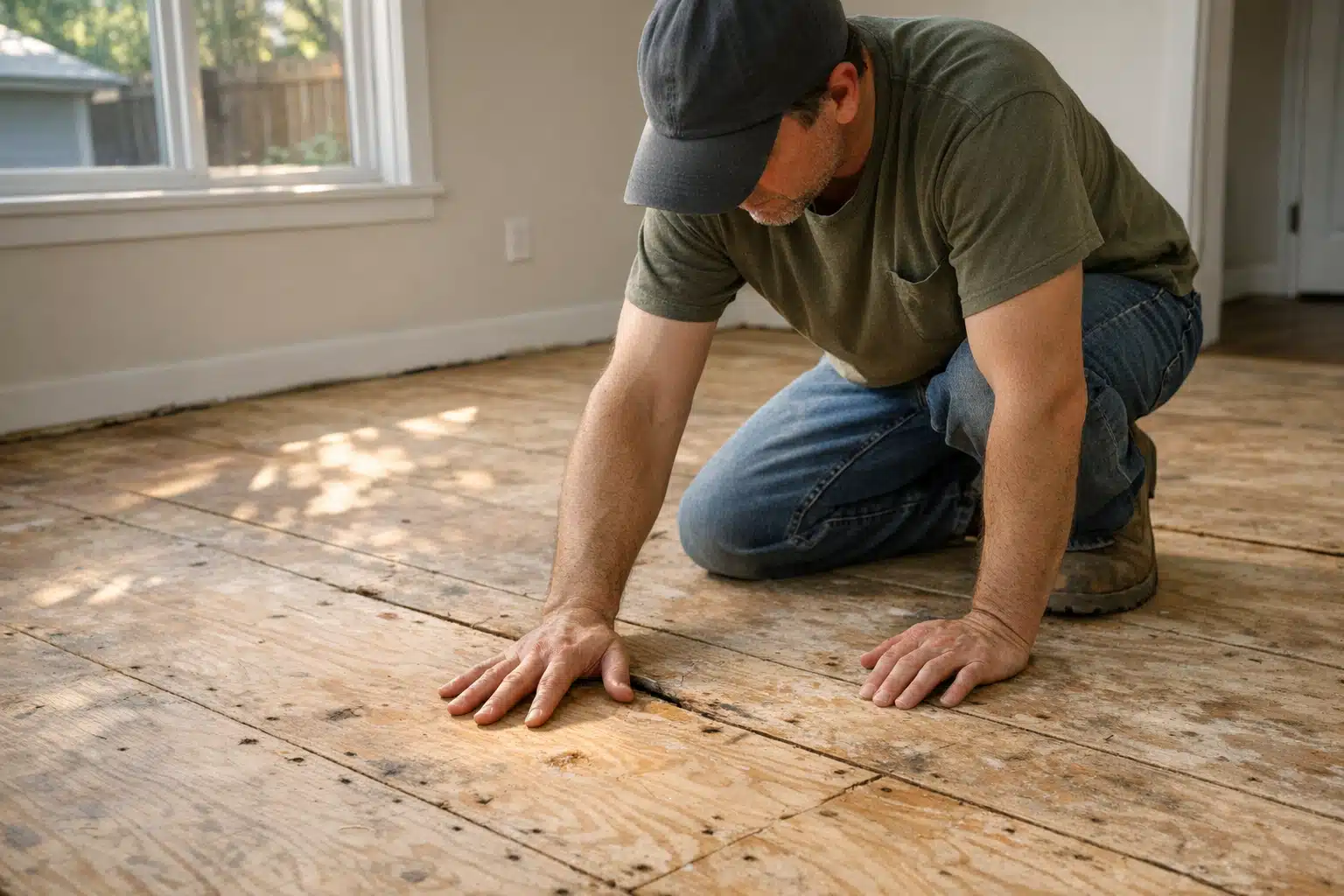
Addressing subfloor issues before installing new flooring is essential for ensuring a successful renovation. Common signs of subfloor damage include squeaking sounds, soft spots, and visible water damage, all of which can lead to costly problems if not repaired.
- Squeaking and creaking sounds indicate loose subflooring that needs attention. This issue can worsen in dry climates like Denver's during winter.
- Soft or bouncy spots underfoot suggest water damage or structural issues that require repair before new flooring is laid.
- Visible water damage, gaps between panels, and protruding nails can compromise the integrity of new flooring, necessitating professional evaluation.
Signs that your subfloor needs repair include noticeable squeaks or creaks when walking, uneven surfaces, water damage or stains, mold growth, and excessive movement or bounce in the flooring. Addressing these issues before installation is crucial to prevent complications and ensure a stable foundation for your new flooring.
Your beautiful new hardwood or luxury vinyl flooring is only as good as what lies beneath it. Hidden subfloor problems before flooring installation can turn your dream renovation into a costly nightmare.
In Denver’s dry climate, subfloors face unique challenges from seasonal moisture changes and temperature swings. These subfloor repair signs are easier to spot than you might think.
1. Squeaking and Creaking Sounds When You Walk
Squeaks happen when subfloor panels rub against each other or against loose nails. Walking across your floor shouldn’t sound like an old ship.
In Denver homes, this issue gets worse during winter heating season. Dry indoor air causes wood subfloors to shrink and pull away from fasteners.
Test different areas of your floor by walking slowly and listening. Pay attention to:
- High-traffic hallways and entryways
- Areas near heating vents
- Spots where you hear consistent noise
- Rooms above basements or crawl spaces
Minor squeaks can be fixed before installation, but widespread noise indicates loose subflooring that needs professional attention.
What This Means for Your Project
Squeaky subfloors under new flooring will telegraph noise through your investment. Hardwood and laminate floors amplify these sounds.
Carpet might mask squeaks temporarily, but luxury vinyl plank (LVP) will broadcast every creak.
2. Soft or Bouncy Spots That Feel Unstable
Your subfloor should feel solid underfoot. Soft spots indicate water damage, structural settling, or failing floor joists.
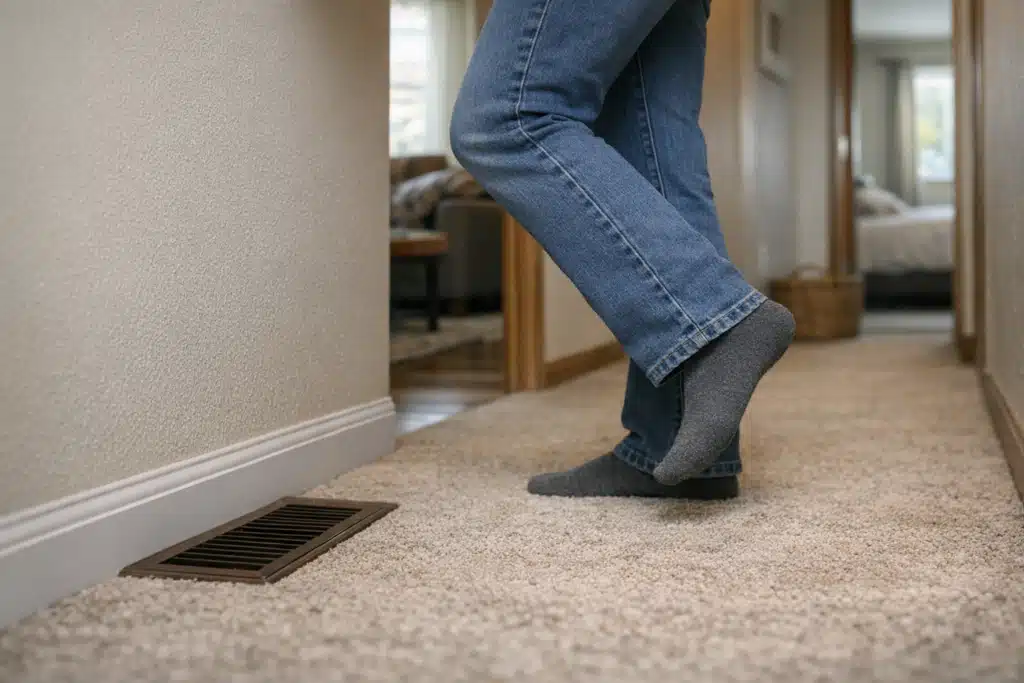
Walk slowly across your floors and press down with your foot. Normal subfloors have no give or flex.
Common problem areas in Denver homes include:
- Near sliding doors where snow melts
- Around toilets and bathroom fixtures
- Kitchen areas near sinks and dishwashers
- Basement floors with moisture issues
Any bouncy feeling means the subfloor structure has weakened and requires repair before new flooring installation.
Why This Happens in Colorado
Denver’s altitude and dry air create extreme indoor humidity swings. When moisture does penetrate subflooring, it causes rapid expansion and contraction cycles.
Older ranch homes built in the 1960s and 1970s often show these issues first.
3. Visible Water Damage or Dark Staining
Water stains on subfloor surfaces tell the story of past or ongoing moisture problems. Dark spots, warped panels, or white mineral deposits are clear warning signs.
Remove existing flooring to inspect the subfloor directly. Look for:
- Brown or black staining patterns
- Warped or cupped plywood edges
- White crusty deposits (mineral buildup)
- Musty odors when floors are exposed
Denver basements frequently show these subfloor repair signs due to seasonal groundwater changes and poor ventilation.
The Hidden Cost Factor
Installing new flooring over water-damaged subflooring guarantees future problems. Trapped moisture will continue damaging your investment from below.
Mold growth between layers creates health risks and voids most flooring warranties.
4. Gaps Between Subfloor Panels
Subfloor panels should fit tightly together with minimal gaps. Wide spaces between sheets create weak points that affect new flooring performance.
Check for gaps by running your hand along panel edges. Normal gaps measure less than 1/8 inch.
Colorado’s dry climate causes plywood and OSB subflooring to shrink more than in humid regions. Gaps wider than 1/4 inch need attention.
How Gaps Affect Different Flooring Types
Hardwood flooring requires smooth, gap-free subflooring for proper nail penetration. Luxury vinyl needs continuous support to prevent clicking and shifting.
Even carpet installation suffers over gapped subfloors, creating uneven wear patterns and premature replacement needs.
5. Protruding Nails or Loose Fasteners
Nails that have worked loose or pop above the subfloor surface will damage new flooring materials. This happens when wood movement exceeds the holding power of original fasteners.
Walk your subfloor area looking for:
- Nail heads sticking up from the surface
- Loose screws that turn easily
- Missing fasteners along panel edges
- Bent or damaged nail heads
Every protruding fastener must be reset or replaced before installing new floors.
Why Denver Homes Face This Problem
Temperature swings between day and night cause constant expansion and contraction. Over years, this movement loosens even properly installed fasteners.
Homes built during Denver’s rapid growth periods sometimes used minimal fastening schedules that become inadequate over time.

 Posted on Google
When to Call for Professional Subfloor Assessment
Some subfloor problems before flooring require expert evaluation. Schedule an inspection if you find:
- Multiple problem areas in the same room
- Structural damage affecting floor joists
- Active moisture problems you cannot locate
- Subfloor damage covering more than 20% of the area
Denver’s unique climate conditions mean subfloor repairs need specific techniques and materials. What works in humid climates may fail here.
The Installation Timeline Impact
Subfloor repairs add 1-3 days to your flooring project timeline. Planning for this prevents delays and allows proper material ordering.
Rushing subfloor work to meet deadlines creates long-term performance problems that cost far more than the initial delay.
Making the Repair vs. Replace Decision
Minor subfloor issues like squeaks or small gaps can often be repaired cost-effectively. Widespread damage may require partial or complete subfloor replacement.
Repair makes sense when:
- Problems affect less than 25% of the floor area
- Structural members remain sound
- No active moisture issues exist
- Current subfloor thickness meets code requirements
Replacement becomes necessary for extensive water damage, structural settling, or when bringing older homes up to current building standards.
Protecting Your Flooring Investment
Identifying these subfloor repair signs before installation protects your investment and prevents callbacks. Quality flooring materials deserve quality preparation underneath.
Denver homeowners who address subfloor issues upfront enjoy better flooring performance and longer material life. Your new floors will look better and last longer with proper foundation work.
If you’ve spotted any of these warning signs in your home, In Home Flooring can assess your subfloor condition and recommend the right repairs for your project. Contact us at 720-586-4391 to schedule a consultation and ensure your new flooring gets the solid foundation it deserves.
Sources
- International Association of Certified Home Inspectors – Subfloor Inspection Guide
- EPA – Moisture Control and Mold Prevention Tips for Homeowners
- National Floor Covering Association – Subfloor Requirements