Laundry Room Flooring That Survives Leaks & Vibration | Durable, Water-Resistant Floors for Long-Lasting Performance
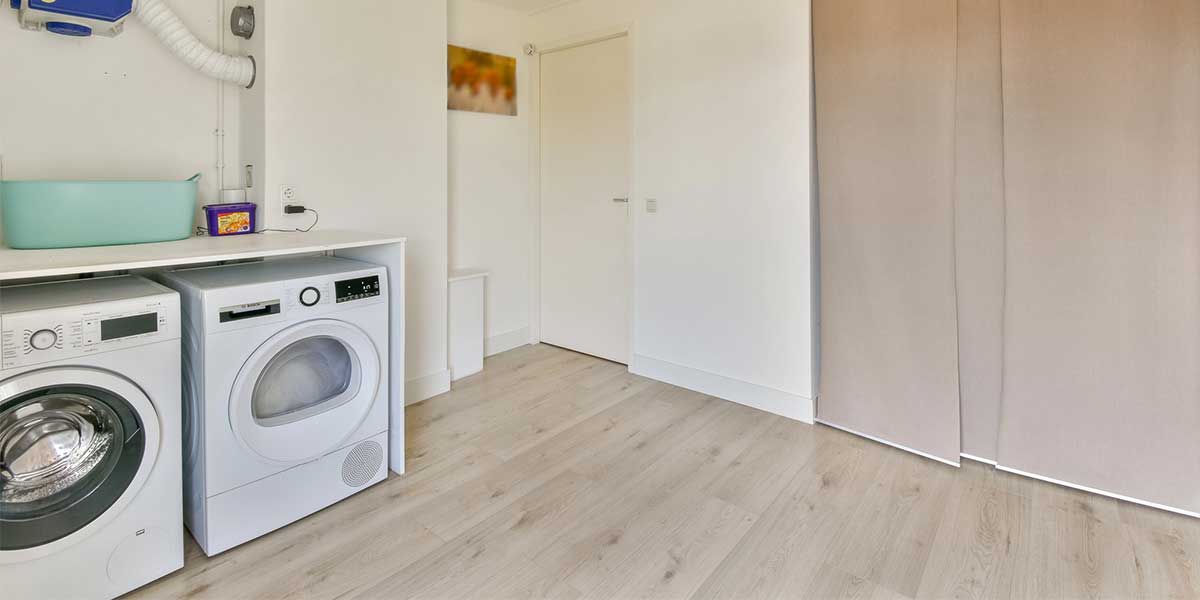
Choosing the right flooring for laundry rooms is essential to withstand water exposure and appliance vibrations. This guide outlines the best waterproof flooring options and installation tips to protect homes from damage.
- Laundry rooms face unique challenges like leaks and high humidity that can damage traditional flooring. Selecting appropriate materials helps prevent mold and structural issues.
- Luxury vinyl, porcelain tile, and sheet vinyl are top choices for durability and water resistance. Each material offers specific benefits like easy maintenance and sound insulation.
- Proper installation is key to ensuring long-lasting performance. Steps like sealing edges and using vapor barriers can prevent future problems.
The best flooring for laundry rooms is durable and water-resistant to withstand leaks and appliance vibrations. Options like vinyl, tile, and laminate are ideal as they can handle moisture and resist damage from heat and humidity, ensuring long-lasting performance in this high-exposure area.
Laundry rooms experience more water exposure and appliance vibration than almost any other area of a home. Washing machines can leak, hoses can burst, and dryers release heat and humidity that damage traditional flooring materials.
Choosing the best flooring for laundry rooms helps prevent mold growth, subfloor rot, and structural damage. The right materials resist moisture, reduce washing machine vibration, and maintain long-term durability.
In this guide, you’ll learn which waterproof flooring options for laundry rooms perform best and how proper installation protects your home from expensive repairs.
Why Laundry Rooms Require Specialized Flooring
Flooring materials often fail under these conditions.
Common laundry room stress factors include:
- Washing machine hose leaks
- Drain pipe overflows
- Detergent and bleach spills
- High humidity from dryers
- Heavy appliance vibration during spin cycles
Over time, these conditions can cause severe damage if flooring materials are not designed for wet environments.
Problems caused by poor laundry room flooring include:
- Water seeping into the subfloor
- Mold growth under flooring layers
- Warped wood planks
- Loose tiles or adhesive failure
- Structural rot in floor joists
Installing waterproof laundry room flooring prevents these issues and extends the lifespan of your home’s flooring system.
Best Flooring Materials for Laundry Room Durability
The best flooring for laundry rooms must resist water, support heavy appliances, and tolerate vibration from washers.
Several materials perform exceptionally well in these environments.
Luxury Vinyl Plank (LVP) and Luxury Vinyl Tile (LVT)
Luxury vinyl flooring is one of the most popular waterproof flooring options for laundry rooms.
These multi-layer synthetic planks create a sealed surface that prevents water from penetrating the subfloor.
Key benefits include:
- 100% waterproof construction
- Scratch resistance from moving appliances
- Cushioning that reduces vibration noise
- Easy installation with click-lock systems
- Affordable compared to tile or stone
LVP and LVT also replicate the appearance of hardwood or stone, making them ideal for homeowners who want durability without sacrificing style.
Porcelain Tile with Epoxy Grout
Porcelain tile is one of the most durable laundry room flooring materials available.
These tiles are made from dense clay fired at extremely high temperatures, creating a non-porous surface that resists water absorption.
Advantages include:
- Complete water resistance
- Long lifespan with minimal wear
- High strength under heavy appliances
- Resistance to chemicals like bleach and detergent
- Easy cleaning and sanitation
Using epoxy grout instead of traditional cement grout further improves waterproof protection and prevents mold growth between tiles.
Sheet Vinyl Flooring
Sheet vinyl flooring provides excellent protection against water leaks because it installs in large continuous sections.
Unlike tile or plank flooring, sheet vinyl has very few seams where water can enter.
Benefits include:
- Seamless water barrier across the floor
- Lower installation cost than tile
- Comfortable underfoot surface
- Easy cleaning and maintenance
- Strong resistance to detergent spills
Because of its minimal seams, sheet vinyl is one of the best flooring choices for laundry rooms prone to leaks.
Cork Flooring for Noise and Vibration Control
Cork flooring offers natural vibration absorption that helps reduce washing machine noise.
The cellular structure of cork acts as a shock absorber when appliances spin at high speeds.
Key advantages include:
- Excellent sound insulation
- Natural vibration absorption
- Comfortable standing surface
- Eco-friendly renewable material
However, cork must be properly sealed to protect against moisture exposure.
How Washing Machine Vibration Damages Floors
Modern washing machines spin at extremely high speeds to remove water from clothing. These spin cycles create powerful vibrations that transfer through the floor structure.
Over time, this movement can cause serious flooring problems.
Common vibration-related damage includes:
- Tile grout cracking
- Flooring adhesive loosening
- Plank flooring shifting
- Structural vibration in wood subfloors
Front-loading washing machines often create stronger vibration forces than traditional top-loading models.
Selecting vibration-resistant laundry room flooring helps reduce noise and structural stress.
Flooring Features That Reduce Washer Noise and Movement
Some flooring systems include special features that help minimize washing machine vibration.
Look for materials that provide natural sound insulation.
Effective vibration-reducing solutions include:
- Rubber acoustic underlayment beneath flooring
- Cork flooring layers that absorb impact
- Thick vinyl planks with integrated padding
- Anti-vibration pads under washer feet
These solutions help prevent vibration from traveling through the floor into surrounding rooms.

 Posted on Google
Proper Installation for Waterproof Laundry Room Floors
Even the best flooring materials can fail if installed incorrectly.
Professional installation ensures that flooring systems remain waterproof and stable for many years.
Important installation steps include:
- Installing vapor barriers over concrete slabs
- Leveling uneven subfloors before installation
- Sealing floor edges where the flooring meets the walls
- Using waterproof membranes under tile flooring
- Maintaining proper expansion gaps for temperature changes
Correct installation prevents water from traveling underneath flooring layers, where mold and rot can develop.
Additional Features to Look for in Laundry Room Flooring
Beyond water resistance and vibration control, several other features improve long-term flooring performance.
Homeowners should consider the following characteristics when choosing laundry room flooring.
Important features include:
Slip-Resistant Surfaces
Wet floors can become dangerous. Slip-resistant textures improve traction and reduce accident risks.
Examples include:
- Textured vinyl surfaces
- Matte porcelain tiles
- Rubber flooring materials
Chemical Resistance
Laundry rooms regularly expose floors to cleaning products and detergents.
Durable flooring should resist damage from:
- Bleach spills
- Fabric softeners
- Detergents
- Cleaning chemicals
Materials like vinyl and porcelain tile perform well in chemically exposed environments.
Easy Maintenance
Laundry rooms accumulate lint, dust, and moisture quickly.
Low-maintenance flooring materials simplify cleaning.
Look for flooring that:
- Wipes clean easily
- Resists staining from clothing dyes
- Prevents dirt buildup in seams
- Requires minimal specialized cleaning products
How to Choose the Best Flooring for Your Laundry Room
Selecting the right flooring depends on several factors specific to your home.
Consider these important factors before making a final decision.
Key decision points include:
- Budget for flooring materials and installation
- Amount of water exposure expected
- Laundry room location (basement vs main floor)
- Washer vibration levels
- Desired appearance and style
Homes with basement laundry rooms may need extra moisture protection, while upper-floor laundry rooms benefit more from vibration-reducing flooring systems.