Blog

Entryway & Mudroom Surfaces for Snow, Salt, and Grit
Porcelain tile and sealed natural stone continue to be the top-performing choices for winter entryways because their term of durability, stability, and texture make them exceptionally reliable in harsh conditions. These flooring materials do not absorb moisture, which protects them from warping and surface damage when homeowners deal with lots of snow, slush, and road [...]
Why Matte and Wire-Brushed Flooring Finishes Are Winning in the Rockies
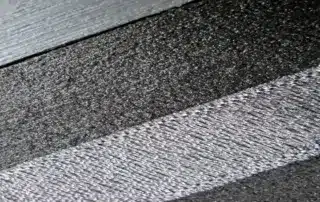
Rocky Mountain homeowners choose matte and wire-brushed finishes because these options perform better over the long term in mountain weather and maintain visual appeal even under harsh conditions. High-altitude sunlight creates stronger glare, and matte flooring reduces reflection so rooms feel comfortable and balanced without drawing unwanted attention to bright spots. Wire-brushed textures help protect [...]
Flooring for Home Gyms at High Altitude: Subfloor Deflection and Impact Ratings
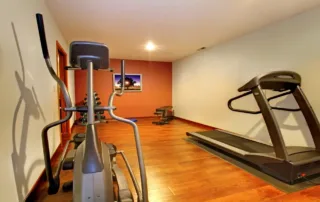
Designing home gym flooring at high altitudes requires careful consideration of both material properties and structural support. The subfloor provides the foundation for interlocking tiles, artificial turf, rubber gym flooring, foam flooring, and other types of flooring tiles. At elevation, reduced air pressure and unique environmental conditions can cause standard construction to flex more than [...]

Radiant Heat and Flooring: Temperature Limits, Sensors, and Expansion Gap Guidelines
Radiant heating systems deliver warmth through hydronics or electric systems embedded beneath floors, baseboards, or radiant panels, providing consistent heat from the ground up. Boilers or water heaters supply hot water to hydronic tubing, while electric cables generate heat directly. Proper settings are critical to prevent flooring damage, optimize energy savings, and maintain indoor comfort. [...]

Waterproof vs. Water-Resistant LVP: What the Labels Really Mean
Waterproof LVP performs differently from water-resistant flooring because its SPC or WPC core blocks water from penetrating, even when fully submerged for 24 to 96 hours. Testing laboratories rely on ASTM F2199 and ISO 24343 standards to confirm these claims, giving homeowners confidence when comparing options such as hardwood flooring alternatives, vinyl flooring, laminate flooring, [...]
2026 Flooring Outlook for Denver: Climate-Smart, Low-VOC, and Textured Surfaces
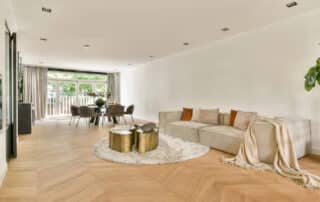
Flooring trends in Denver for 2026 highlight a clear shift toward durability, sustainability, and climate adaptation. Homeowners and builders are focusing on materials like engineered hardwood, luxury vinyl flooring, and rubber flooring that perform well in the city's dry, high-altitude conditions. Carpet and laminate flooring continue to serve comfort-focused areas like bedrooms and basements, while [...]
The Complete Guide to Floor Moldings & Transitions (with Room-by-Room Diagrams)
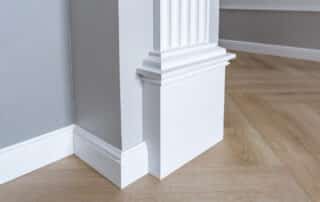
Flooring transitions play a critical role in both design and functionality. They bridge gaps between rooms, connect different flooring materials, and allow hardwood flooring and other surfaces to expand and contract naturally. Properly installed floor transitions prevent tripping hazards, protect edges, and create a polished, finished appearance in every space. These elements are particularly important [...]

Floating vs Nail-Down vs Glue-Down at High Elevation: Which Method and Why
At higher elevations above 5,000 feet, the floating installation method provides the best balance of performance and cost for homeowners dealing with dry, shifting climates. This flooring installation approach uses interlocking planks that “float” over the subfloor instead of being nailed or glued down. The design allows natural movement as hardwood flooring expands and contracts [...]

Basement Flooring in Colorado: Subfloor Prep, Vapor Tests, and Underlayments
Colorado Basement Flooring: Moisture Protection and Foundation Preparation Moisture Testing Requirements Colorado basement floors require precise testing before any flooring installation begins. Calcium chloride moisture tests measure the rate of vapor passing through concrete slabs to confirm safe conditions for wood, carpet, or vinyl. Acceptable results must register below 3 pounds per 1,000 square feet [...]

Hardwood at Altitude: Acclimation & Moisture Targets for Denver Homes
Installing engineered hardwood in a Denver basement requires special preparation because of the city's high elevation and dry climate. At one mile above sea level, the reduced air pressure increases evaporation rates, pulling moisture out of the wood faster than at lower elevations. To avoid warping and cracking, engineered hardwood planks should acclimate for 7 [...]
Recent Post
Historic Denver Bungalows & Victorians: Matching Old Floors with New | Restoration Tips for Seamless Style & Durability
Historic homes across Denver contain wood floors that reflect construction [...]
The Insurance Factor: How Claims Are Changing Flooring Choices After Leaks | Smart, Risk-Aware Flooring Decisions for Homes & Businesses
Water damage is one of the most common and expensive [...]
Flooring for Aging in Place: Slip Resistance, Contrast & Threshold Planning for Safer, Accessible Homes
Flooring plays a major role in home safety for older [...]
Laundry Room Flooring That Survives Leaks & Vibration | Durable, Water-Resistant Floors for Long-Lasting Performance
Laundry rooms experience more water exposure and appliance vibration than [...]