Historic Denver Bungalows & Victorians: Matching Old Floors with New | Restoration Tips for Seamless Style & Durability
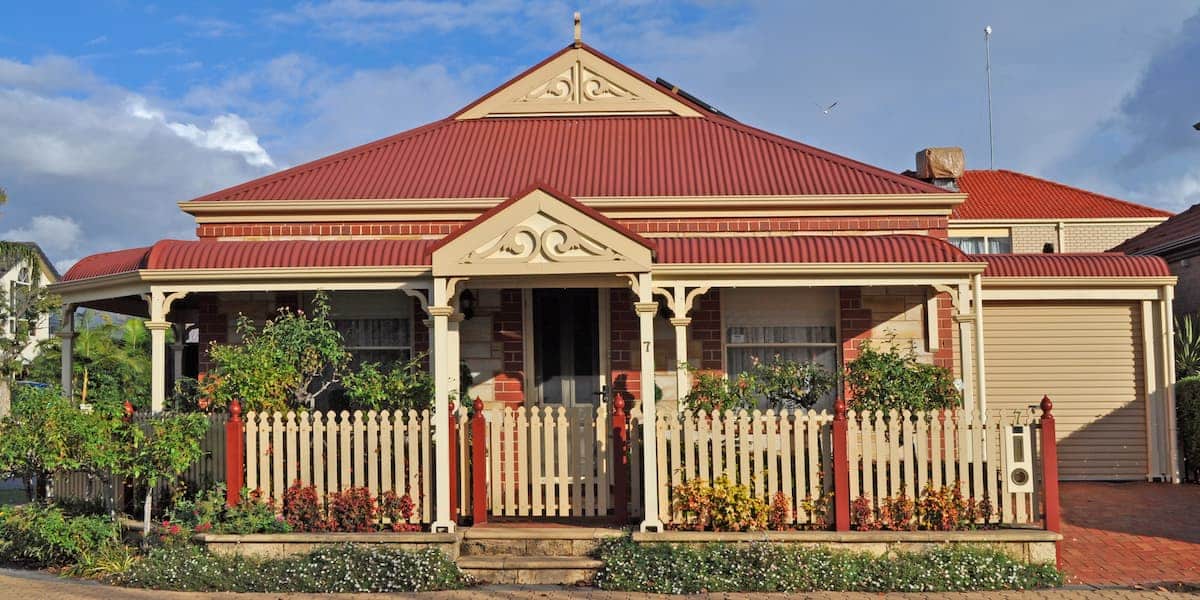
Historic homes in Denver often feature wood floors from the late 1800s and early 1900s, requiring careful restoration to match new hardwood with original materials. Professionals must understand historical wood species and construction methods to maintain the architectural integrity of these homes.
- Bungalows and Victorians typically use narrow hardwood planks made from quarter-sawn oak, eastern white pine, or Douglas fir. Restoration involves matching new flooring with century-old boards through specialized techniques.
- Challenges include differences in wood density and drying methods between historic and modern lumber, which can affect floor movement.
- Restoration experts employ methods like weaving new boards into existing floors and custom milling to ensure a seamless blend while preserving the home's historical character.
Historic Denver bungalows and Victorians, built between 1880 and 1930, typically showcase narrow hardwood floors made from materials like quarter-sawn oak, eastern white pine, or Douglas fir. These homes reflect the construction practices of their time, emphasizing craftsmanship and durability in their design.
Historic homes across Denver contain wood floors that reflect construction practices from the late 1800s and early 1900s. Bungalows and Victorian houses built between 1880 and 1930 often feature narrow hardwood planks made from quarter-sawn oak, eastern white pine, or Douglas fir.
Over time, these original floors may require repair or partial replacement. Matching new hardwood flooring with century-old boards requires careful planning, specialized materials, and restoration techniques that respect the home’s historical character.
Professionals working in historic districts must understand original wood species, plank sizes, installation patterns, and aging characteristics. When done correctly, floor restoration seamlessly blends new wood with the existing structure while preserving architectural integrity.
Understanding the Flooring Found in Historic Denver Homes
Homes built during Denver’s early growth period used flooring materials and construction methods that differ from modern installations.
Common Wood Species Used in Historic Homes
Victorian and early bungalow floors are commonly used:
- Quarter-sawn white oak
- Eastern white pine
- Douglas fir
- Maple in some formal rooms
Quarter-sawn lumber was especially popular because it produced tight grain patterns and improved dimensional stability.
Typical Board Dimensions
Most historic floorboards measured:
- 2.25 to 3.25 inches wide
- ¾ inch thick
- Installed over diagonal plank subfloors
This layered construction added strength and reduced floor movement.
Traditional Installation Methods
Historic builders used two primary fastening techniques:
Face-nailing
- Nail heads visible on the board surface
- Common in early Victorian homes
Blind-nailing
- Nails driven through the board tongue
- Hidden when the next board is installed
- Common in later Craftsman-era bungalows
These installation details help restoration experts replicate original construction.
Challenges of Matching New Flooring to Historic Wood
Replacing damaged sections in historic flooring is rarely straightforward. Modern lumber differs significantly from wood harvested more than a century ago.
Differences Between Old-Growth and Modern Wood
Historic lumber came from old-growth forests with slow-growing trees. Compared to modern lumber, it typically has:
- Tighter grain patterns
- Higher density
- Greater durability
- Distinct visual texture
Modern trees grow faster in managed forests, producing wood that is generally softer and less dense.
Drying Methods Affect Wood Movement
Historic lumber was typically air-dried, a process that could take months or years.
Today, lumber is kiln-dried, a process that uses heat to remove moisture in a matter of days.
Because of these differences:
- Air-dried wood expands and contracts differently
- Mixing drying types can create seasonal gaps
- Floor movement may become more noticeable
Unavailable Historic Wood Species
Some woods used in older homes are now rare or unavailable.
Examples include:
- Virgin Douglas fir
- Old-growth oak
- American chestnut
In these cases, restoration professionals rely on salvaged materials or custom milling.

 Posted on Google
Professional Techniques for Blending Old and New Flooring
Floor restoration specialists use several methods to make replacement boards blend naturally with existing historic floors.
Weaving New Boards into Existing Floors
Instead of installing a straight seam between old and new flooring, professionals use a weaving technique.
This involves:
- Removing selected existing boards
- Interlocking replacement boards into the original pattern
- Staggering joints across multiple rows
The result is a seamless floor that avoids visible transition lines.
Custom Milling Replacement Boards
Standard flooring products rarely match historic plank dimensions.
Restoration carpenters often:
- Mill boards to exact widths
- Recreate historic tongue-and-groove profiles
- Match board thickness precisely
Custom milling allows new wood to align perfectly with the original flooring.
Aging and Finishing New Wood
Fresh lumber typically appears much lighter and smoother than antique flooring.
Professionals use controlled aging techniques to match appearance, including:
- Custom stain blending
- Hand sanding to soften edges
- Surface distressing to mimic wear patterns
- Multi-layer finishing systems
These treatments help new boards develop a patina similar to surrounding wood.
Preserving the Character of Denver’s Historic Homes
Historic preservation plays a major role in floor restoration projects across Denver neighborhoods.
Areas such as:
- Curtis Park
- Capitol Hill
- Whittier
Contain large collections of Victorian and early bungalow homes.
Historic Preservation Guidelines
Renovations in protected districts often follow guidelines from the
National Park Service and the
National Register of Historic Places.
These standards prioritize:
- Repairing original materials whenever possible
- Maintaining historic appearance
- Using reversible construction methods
- Documenting changes to historic structures
Why Preserving Original Floors Matters
Original wood flooring contributes significantly to a home’s historic authenticity.
Preservation provides several benefits:
- Maintains architectural character
- Protects historic property value
- Preserves early construction techniques
- Supports neighborhood heritage conservation
By carefully integrating new boards with existing flooring, restoration professionals help protect the craftsmanship that defines Denver’s historic homes.
Matching new hardwood flooring with historic floors requires more than basic installation skills. It demands an understanding of historic wood species, traditional construction methods, and restoration techniques developed specifically for older homes.
Through custom milling, board weaving, and controlled aging methods, professionals can blend modern materials with century-old floors while preserving the architectural integrity of Denver’s historic neighborhoods.
Proper restoration ensures these homes continue to showcase the craftsmanship and building traditions that shaped the city’s early residential architecture.