Colorado Cabin & Second-Home Flooring: Seasonal Vacancy Strategies for Durable, Low-Maintenance Floors
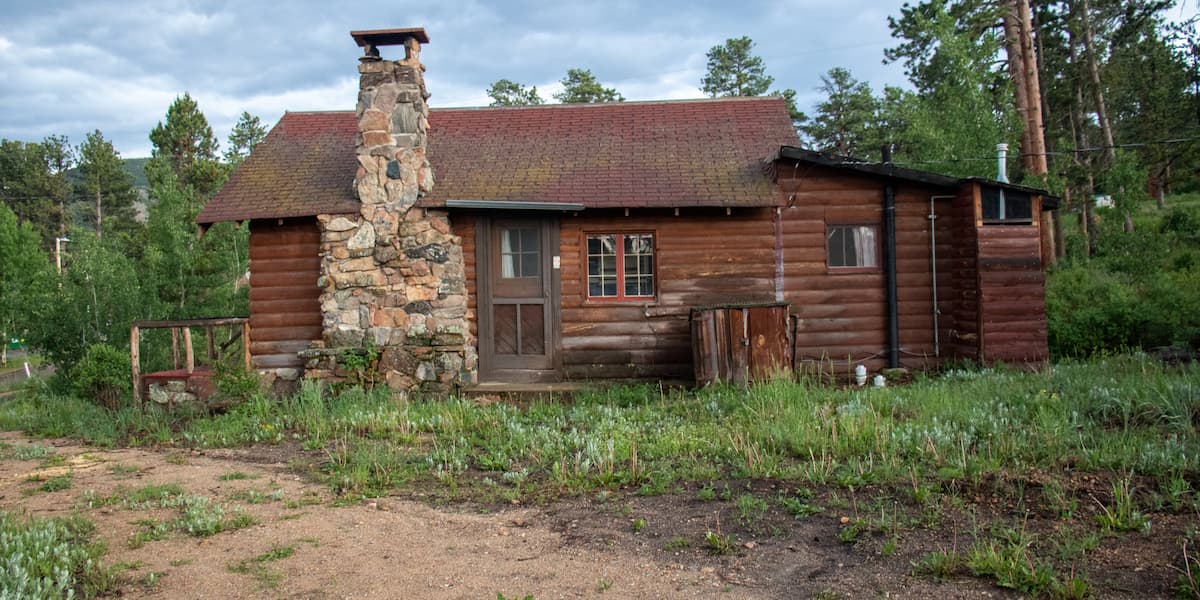
Colorado cabins and second homes encounter unique flooring challenges due to seasonal vacancy and environmental conditions. Choosing the right materials and implementing maintenance strategies is essential for preserving property value and ensuring readiness for guests.
- Cabins often face issues like temperature swings and humidity fluctuations that can damage flooring. Proper preparation before leaving can prevent costly repairs.
- Luxury vinyl plank, engineered hardwood, and porcelain tile are recommended for their durability and moisture resistance.
- Regular inspections and maintenance help identify potential problems early, ensuring the longevity of flooring in vacation homes.
Effective flooring strategies for Colorado vacation cabins include selecting durable and low-maintenance materials that can withstand seasonal vacancy. Options such as vinyl, tile, or treated hardwood are ideal, as they resist moisture and wear, ensuring the floors remain in good condition despite long periods of inactivity.
Vacation cabins and second homes in Colorado face flooring challenges that primary residences rarely experience. Many mountain properties remain vacant for weeks or months between guest visits or family stays.
During these quiet periods, flooring must endure:
- freeze-thaw cycles
- humidity fluctuations
- temperature swings
- limited ventilation
Without proper materials and maintenance strategies, cabin floors can warp, crack, or separate. Choosing durable flooring and preparing the home before seasonal vacancy protects property value and keeps vacation rentals ready for guests.
How Seasonal Vacancy Affects Cabin Flooring
When cabins sit empty, indoor environments become unstable. Heating systems run less often, windows stay closed, and moisture levels fluctuate.
These conditions place significant stress on flooring materials.
Temperature Swings Cause Expansion and Contraction
Mountain homes often experience dramatic temperature changes.
A vacant cabin might drop to 40°F overnight and rise to 70°F during the day.
Repeated temperature shifts cause:
- wood plank movement
- gaps between boards
- adhesive breakdown
- surface cracking
Over time, this stress weakens flooring systems.
Moisture Buildup Without Ventilation
Empty homes lack the daily airflow created by occupants.
Without ventilation:
- humidity accumulates
- condensation forms on surfaces
- flooring materials absorb moisture
Moisture exposure can lead to:
- warped planks
- swelling laminate
Freeze–Thaw Cycles Accelerate Floor Damage
Mountain environments experience frequent freeze-thaw cycles.
Moisture trapped beneath the flooring expands when frozen, placing pressure on:
- subfloors
- adhesive layers
- grout lines
This repeated stress can cause long-term structural damage.
Best Flooring Materials for Colorado Cabins and Second Homes
Choosing the right flooring material is one of the most important decisions for seasonal properties.
The best options combine moisture resistance, durability, and dimensional stability.
Luxury Vinyl Plank (LVP)
Luxury vinyl plank is one of the most reliable flooring choices for mountain cabins.
Benefits include:
- resistance to humidity changes
- minimal expansion and contraction
- durable surface for guest traffic
LVP performs well in vacation rentals because it tolerates long vacancy periods without damage.
Engineered Hardwood
Engineered hardwood offers the appearance of natural wood with improved structural stability.
Its layered construction allows it to handle environmental changes better than solid hardwood.
Advantages include:
- improved resistance to warping
- authentic wood surface
- better performance in fluctuating climates
Porcelain tile provides exceptional durability in high-traffic areas.
It works well in:
- entryways
- kitchens
- bathrooms
- mudrooms
Tile resists moisture and temperature changes better than most flooring materials.
Flooring Materials to Avoid in Seasonal Cabins
Not all flooring performs well in mountain vacation homes.
Certain materials require stable indoor conditions that empty cabins cannot maintain.
Laminate flooring absorbs moisture easily.
Common problems include:
- swelling edges
- separated seams
- permanent warping
Once damaged, laminate flooring typically requires full replacement.
Cork and Bamboo Flooring
Cork and bamboo require consistent temperature and humidity.
In seasonal cabins, they may experience:
- cracking
- surface distortion
- adhesive failure
For cabins that remain vacant for long periods, these materials are risky choices.

 Posted on Google
Preparing Cabin Floors Before Leaving for the Season
Seasonal preparation helps prevent costly flooring repairs.
Property owners should follow a structured maintenance routine before leaving the cabin vacant.
Deep Clean All Flooring Surfaces
Begin with a thorough cleaning.
Recommended steps include:
- vacuuming to remove dirt and sand
- mopping hard surfaces with proper cleaners
- wiping moisture from grout lines and seams
Removing debris prevents scratching and long-term wear.
Remove Rugs and Mats
Area rugs can trap moisture underneath.
Before leaving:
- remove entry mats
- store decorative rugs
- allow floors to breathe
This prevents hidden mold growth.
Maintain Climate Control
Temperature and humidity control protect flooring materials.
Experts recommend:
- maintaining temperatures between 55°F and 65°F
- keeping humidity between 30% and 50%
These settings reduce wood expansion and moisture damage.
Inspect Seals and Vapor Barriers
Check vulnerable areas before leaving.
Inspect:
- door weatherstripping
- window seals
- vapor barriers under floors
- plumbing areas near the flooring
Sealing small gaps prevents moisture infiltration.
Long-Term Flooring Maintenance for Vacation Homes
Preventive maintenance extends the life of cabin flooring and reduces repair costs.
Property managers often follow structured inspection schedules.
Quarterly Property Visits
Visiting the property every few months helps identify early issues.
During inspections:
- Check grout lines and baseboards
- Inspect transition strips
- Look for water stains near plumbing fixtures
Early detection prevents costly repairs.
Professional Floor Inspections
Professional flooring specialists should inspect vacation homes every 18 to 24 months.
These inspections can reveal:
- hidden subfloor damage
- adhesive failures
- early moisture intrusion
Addressing problems early keeps repair costs manageable.
Document Floor Conditions
Photographs help track wear over time.
Documenting floors supports:
- insurance claims
- maintenance records
- property management reports
Clear documentation protects owners and property managers.
Colorado cabins and second homes face unique environmental challenges. Temperature swings, humidity shifts, and long vacancy periods place heavy stress on flooring materials.
Selecting durable flooring options such as luxury vinyl plank, engineered hardwood, or porcelain tile helps prevent damage. Combined with seasonal preparation and regular inspections, these strategies protect both property value and rental income.
With the right flooring materials and maintenance plan, mountain vacation homes remain attractive, comfortable, and ready for guests throughout every season.