Curbless Showers & Bath Floors: Slopes, Membranes & Tile Size | Expert Tips for Safe, Stylish, and Watertight Bathrooms
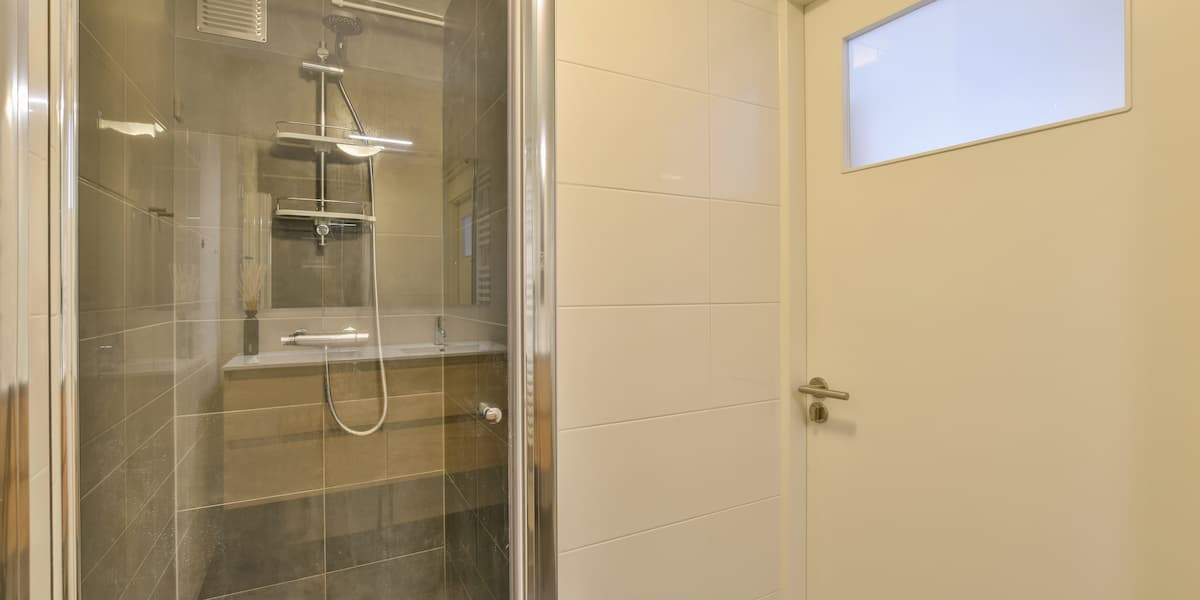
Curbless showers, also known as barrier-free or walk-in showers, are increasingly popular for their seamless and accessible design. However, their successful construction relies on precise engineering involving floor slope, waterproof membranes, and appropriate tile size.
- The floor must slope ¼ inch per foot toward the drain to prevent water pooling and ensure proper drainage.
- Waterproof membranes are essential to protect the structure from moisture damage and must be installed according to strict guidelines.
- Smaller tiles are recommended for curbless showers as they provide better drainage and slip resistance compared to larger tiles.
A curbless shower, also known as a barrier-free or walk-in shower, is a modern bathroom feature that eliminates the raised curb at the entrance. This design creates a seamless and accessible transition from the bathroom floor to the shower area, enhancing both safety and aesthetics.
Curbless showers—also called barrier-free or walk-in showers—have become popular in modern bathrooms because they create a seamless, accessible design. Unlike traditional showers, they eliminate the raised curb at the entrance.
While the design looks simple, building a curbless shower requires precise engineering. The floor must slope correctly, waterproof membranes must be installed properly, and tile size must allow water to drain efficiently.
Three technical elements determine whether a curbless shower performs well long-term:
- Floor slope geometry directing water toward the drain
- Waterproof membrane integration protects the structure
- Tile size and surface texture improve drainage and safety
When these elements work together, the shower drains efficiently, prevents leaks, and meets accessibility guidelines such as those established by the Americans with Disabilities Act.
Curbless Shower Floor Slope Requirements
The most critical part of a curbless shower design is the floor slope.
Plumbing codes require the shower floor to slope ¼ inch per foot toward the drain, which equals a 2% grade.
This requirement appears in both the International Plumbing Code Section 417.5.2 and the Uniform Plumbing Code Section 408.9.
Why Proper Shower Slope Matters
A correctly sloped shower floor:
- moves water efficiently to the drain
- prevents standing water or puddles
- protects waterproofing systems
- reduces mold and mildew growth
If the slope is too flat, water pools on the tile surface. If the slope is too steep, water flows too quickly and may overwhelm the drain.
Slope Challenges in Curbless Showers
Walk-in showers must maintain a proper slope without creating a step at the entrance.
Contractors often solve this by:
- recessing the shower subfloor
- lowering floor joists in the shower area
- installing a pre-sloped mortar bed
Precise slope measurements are verified using:
- laser levels
- digital angle meters
- long straightedges
Accurate floor preparation ensures water drains correctly before waterproofing begins.
Waterproof Membranes for Curbless Shower Floors
Removing the traditional shower curb means the waterproofing system becomes even more important.
Waterproof membranes create a barrier that protects subfloors, wall framing, and structural components from moisture damage.
Most modern systems follow the requirements of ANSI A118.10 for tile installations.
Types of Waterproof Membranes
Professionals typically choose from three main waterproofing systems:
Sheet membranes
- factory-manufactured waterproof sheets
- installed using thin-set mortar
- consistent thickness and durability
Example: Schluter Kerdi.
Liquid-applied membranes
- rolled or brushed onto surfaces
- flexible and seamless
- useful around complex shapes
Foam backer board systems
- waterproof panels installed behind tile
- integrated waterproofing layer
- lightweight and fast to install
Key Membrane Installation Requirements
To maintain waterproof integrity, installers must follow strict guidelines:
- Membrane seams overlap at least 2 inches
- Waterproof collars seal pipe penetrations
- Membranes extend 6 inches beyond the shower entry
- Wall waterproofing reaches 72 inches above the drain or 3 inches above the showerhead
These requirements align with standards published by the Tile Council of North America.

The installation team was punctual, respectful of my space, and incredibly detail oriented. The craftsmanship is top tier, the transitions are flawless, and you can tell they take real pride in their work. If you’re looking for a company that delivers high quality results with excellent customer service, I highly recommend them.
 Posted on Google
Choosing the Right Tile Size for Curbless Shower Floors
Tile size plays a major role in both drainage performance and slip resistance.
Smaller tiles are typically recommended for shower floors because they conform better to the sloped surface.
Best Tile Sizes for Shower Floors
Industry professionals commonly recommend:
- 2-inch mosaic tiles
- 3-inch or 4-inch square tiles
These small tiles create more grout joints, which:
- increase traction for wet feet
- help water move toward the drain
- adapt easily to the sloped floor surface
Problems with Large Format Tiles
Large tiles (12 inches or larger) can cause installation issues.
Because shower floors slope toward the drain, large tiles often create:
- uneven edges called lippage
- poor drainage patterns
- difficulty following the floor slope
Small tiles provide greater flexibility and better drainage performance.
Tile products used in showers must also comply with ANSI A137.1, which includes slip-resistance testing for wet environments.
Designing a Curbless Shower for Long-Term Performance
Building a durable curbless shower requires careful coordination between plumbing, structural framing, and tile installation.
Every layer of the system must work together.
Drain Placement and Capacity
Drain selection affects how efficiently water exits the shower.
Two common drain options include:
Linear drains
- long rectangular design
- installed along a wall or entry edge
- allow a single-direction floor slope
Center drains
- traditional round drain location
- require a four-way floor slope toward the center
Proper drain capacity prevents water backup during heavy shower use.
Structural Floor Preparation
Before waterproofing begins, the structural base must be prepared carefully.
Typical preparation steps include:
- Reinforcing mortar beds with wire mesh
- verifying slope accuracy before waterproofing
The base layer must remain stable so the waterproof membrane and tile system perform correctly.
Protecting the Drain Assembly
Drain assemblies contain small openings called weep holes that allow trapped moisture to escape from beneath the tile.
During installation, contractors protect these openings using:
- gravel around the drain
- specialized drain protectors
Keeping weep holes clear prevents moisture buildup that could damage the shower system.
Curbless showers offer a clean, modern look while improving accessibility. However, their success depends on careful construction and adherence to proven building standards.
A properly built system includes:
- a ¼-inch-per-foot floor slope
- a code-compliant waterproof membrane
- small-format floor tiles that improve traction and drainage
When contractors combine these elements correctly, curbless showers remain watertight, safe, and durable for many years.
Proper planning, quality materials, and precise installation techniques ensure that barrier-free shower designs perform reliably in both residential and commercial bathrooms.